
If you run an e-commerce website, you already know how loud the competition is.
You can have great products, fair prices, and fast shipping. But if your store doesn’t show up on Google search, it might as well be invisible.
That’s the hard truth many store owners learn too late.
SEO is often the difference between stores that scrape by on paid ads and those that build steady organic traffic month after month.
This is where e-commerce website seo packages come in.
In this guide, we’ll break down what these packages usually include, how pricing works, and how to choose the right option for your store size and goals.
SEO is an investment. It costs money. It also compounds over time. When done right, it becomes one of the most reliable growth channels for an online store.
Highlights
- E-commerce website SEO packages vary widely based on product count, competition, and growth goals, not just budget.
- Smaller stores need strong technical foundations first, while mid-sized and enterprise stores require scalable systems, content, and link authority to compete.
- SEO package pricing reflects the effort and complexity involved, including technical debt and content creation volume.
- Results take time; most e-commerce stores see a return on investment within 3–6 months when SEO is executed correctly.
- The best results come from long-term partnerships, where SEO is treated as an investment that scales alongside revenue, not a one-off service.
Common e-commerce SEO package tiers
Picking SEO packages is a similar process to buying a car. You can get a basic ride or a luxury beast. In digital marketing, these levels depend on your URL structure. It also depends on how many product pages you have and how hard you push link building.
Starter/small store packages ($500–$1,500/month)
These packages are built for e-commerce stores with under 500 products that are just starting out. You don’t need a giant team yet. You just need to make sure your website foundation is solid, and your site is easy to find.
If you have a limited budget, this is your starting line. It works well for simple sites without a messy history. Think of a small shop selling handmade candles in Austin, for example. They don’t need to rank for “candles” globally yet. They just need to show up in local searches first.
They need their landing pages to actually work when a local customer clicks. This tier helps them get those first few wins without breaking the bank.
So when you sign up for a starter plan, you usually get the basics handled for you. Here’s what you can usually expect to see in your monthly report:
- Basic SEO audits (conducted quarterly)
- Product page optimization for 10–20 priority pages
- Keyword research focused on your target audience
- Performance tracking via Google Search Console and Google Analytics
- Schema implementation for enhanced search snippets
- Link building with 5–10 new backlinks per month
Keep in mind that these lower tiers have limits. You aren’t getting a full-service marketing department for this price. If you want the big stuff, you’ll have to wait or pay more. Here’s what’s usually left out of these small plans:
- Large-scale content creation or ongoing blogging programs
- Advanced technical optimization, such as headless setups
- Extensive off-site link building campaigns
- User experience (UX) testing or advanced conversion rate optimization
Growth/Mid-Sized Store Packages ($1,500–$5,000/month)
If you have over 500 products, a starter kit won’t cut it. This is where search engine optimization gets more serious.
You’re likely fighting big rivals. You need to build real content assets and a smart internal linking plan.
Agencies at this level spend a lot of time on product descriptions. This tier is for growing stores that have many categories. This means you’re ready to fight for top spots. Which is why you need scalable solutions that handle more traffic and more keywords.
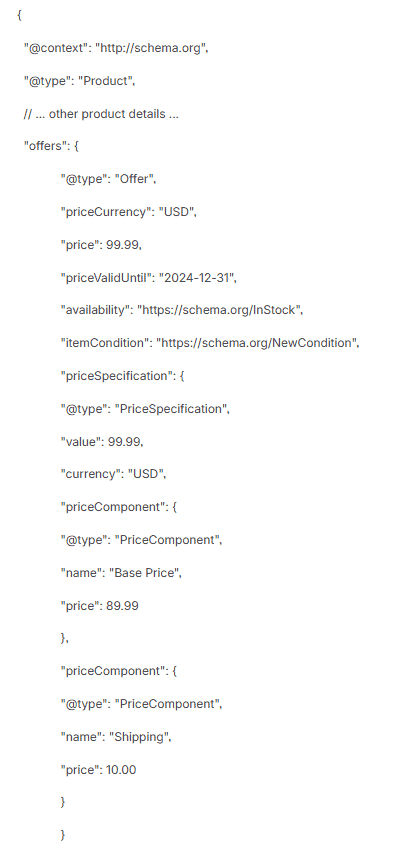
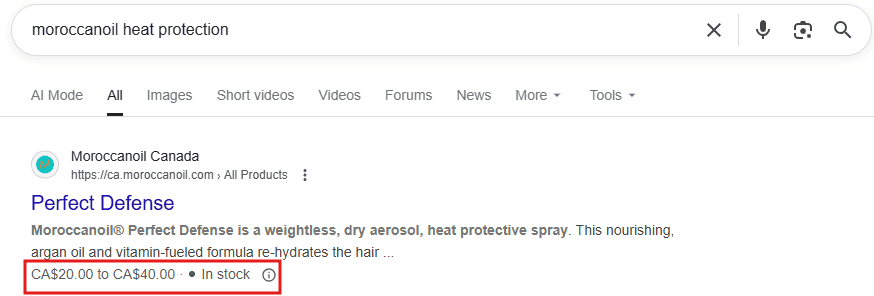
Take a fitness shop selling 2,000 products. Their content marketing plan might include a “best treadmills for small homes” guide. They may also have to use a product schema (as shown in the image below) so that star ratings appear in Google search results and drive clicks.
Screenshot provided by the author
At this stage, your SEO partner does the heavy lifting. They aren’t just checking for errors anymore. They’re building a strategy to outrank your rivals. You can expect a much more hands-on approach here. Here’s a look at what usually comes with a growth-focused plan:
- Full SEO audits every month
- Product page optimization for 50–100 pages per month
- Enhanced schema markup for reviews and products
- Ongoing content creation, including blog posts and buying guides
- Strategic link building with 20–50 new backlinks per month
- In-depth competitor analysis of on-site pages and positioning
- Page speed optimization and Core Web Vitals improvements
You might also see some extra help to make your site faster or easier to use. These additions help turn that new traffic into actual sales. This is what is often part of the deal:
- User experience to help you sell more
- Mobile-first technical optimization across key pages
- Custom Google Analytics 4 reports for ROI tracking
- Shopping feed optimization for Google Shopping results
Enterprise/Large Store Packages ($5,000–$25,000+/month)
This package is ideal if your online store has over 5,000 products. It includes SEO support for managing a lot of data.
To stay relevant, they require local schema in different languages. This involves a lot of work. That is why you need a dedicated team of experts to watch your site every single day. One misstep in the URL structure could kill your organic traffic across 100,000 pages.
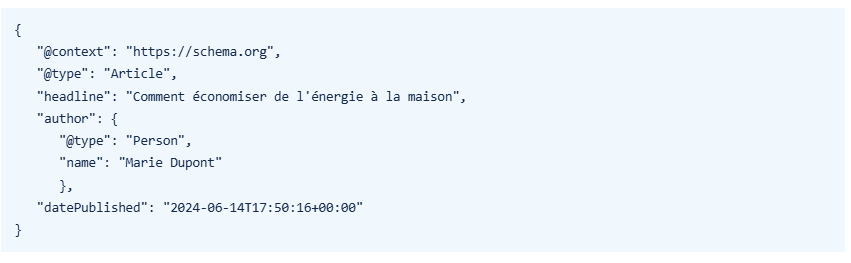
For instance, if you’re an electronics retailer, you may need systems that work automatically across your whole site.
And when you pay for this tier, you’re benefiting from a lot of technical services, like:
- 24/7 technical optimization monitoring
- Product description updates across hundreds of pages each month
- International SEO management, including multi-language targeting
- High-authority off-site link building and digital PR
- Advanced structural data implementation for complex items
- Weekly strategy sessions and a dedicated project management lead
- Advanced Google Analytics 4 tracking and reporting
Since these businesses are so big, they often need custom work. This usually involves deep integration with your company’s tech and long-term planning. The custom extras that may come with a high-end enterprise contract include:
- Platform migration support without traffic loss
- Custom tools and API-driven SEO audits
- High-level reporting on lead generation and revenue
- Automation workflows for meta tags and large-scale site changes
E-commerce SEO package pricing guide (2026)
Understanding how e-commerce seo packages are priced helps you plan your growth. It’s important to keep in mind that search engines are much smarter today than they used to be.
You can’t just stuff a page with keywords and pray for the best. You need real, high-quality content creation to earn a top spot. Here’s how the math works out.
Pricing by store size
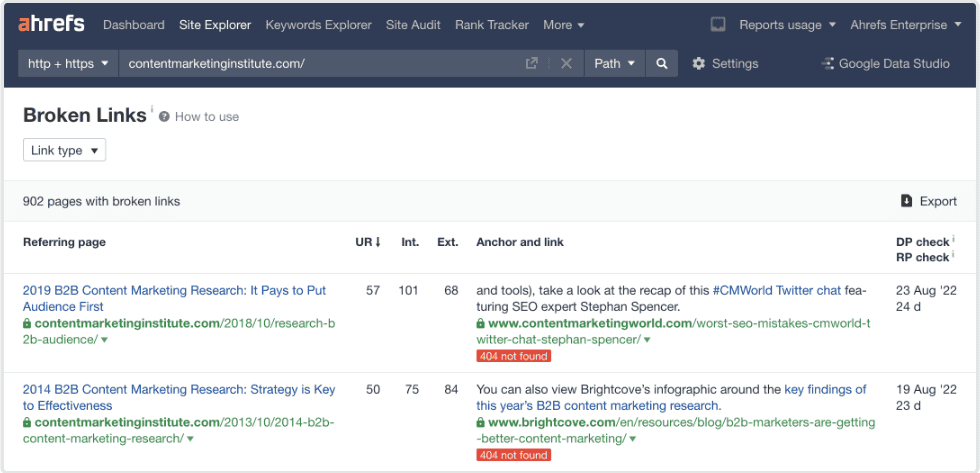
The biggest factor driving SEO pricing is the number of on-site pages a store has. More pages mean more title tags to write, larger sitemap creation efforts, and significantly more time spent on technical tasks, such as a full broken links audit.
Smaller stores typically commit to 6–12 month contracts, which gives Google rankings enough time to move without overextending the scope. Larger e-commerce sites work on a different timeline. They often sign 24-month agreements because refining technical optimization and strengthening the overall website foundation takes time and cannot be rushed.
Pricing by service model
Who you hire changes what you get. People handle lead generation and internal linking differently. You have to decide if you want a massive team or a single expert you can work with closely.
Agencies are built for scale. You get a whole squad. This includes writers, technical specialists, and strategists. It costs between $1,000 and $25,000 a month. The higher cost reflects overhead, but it also buys scalable solutions and structured execution.
This model works well if you want SEO handled as part of a broader digital marketing system with minimal internal involvement.
Freelancers offer a more hands-on experience. Monthly costs usually range from $500 to $5,000, and you work directly with the person doing the work. This is often a good fit for smaller e-commerce sites that need focused improvements rather than constant output. The trade-off is capacity. Large-scale link building or complex technical rollouts can be difficult for a single person to handle.
The hybrid model sits in the middle. Costs usually range from $2,000 to $10,000 per month. In this setup, an internal team handles execution, such as writing product descriptions. An external consultant leads strategy and keyword research to boost traffic to your site. It’s a practical way to get senior-level guidance without paying for a full agency retainer.
What affects pricing?
Not every store is the same. Two sites with similar products can pay very different amounts for e-commerce website seo packages. Pricing depends on how much work the site needs, how competitive the space is, and how involved the strategy has to be to move results.
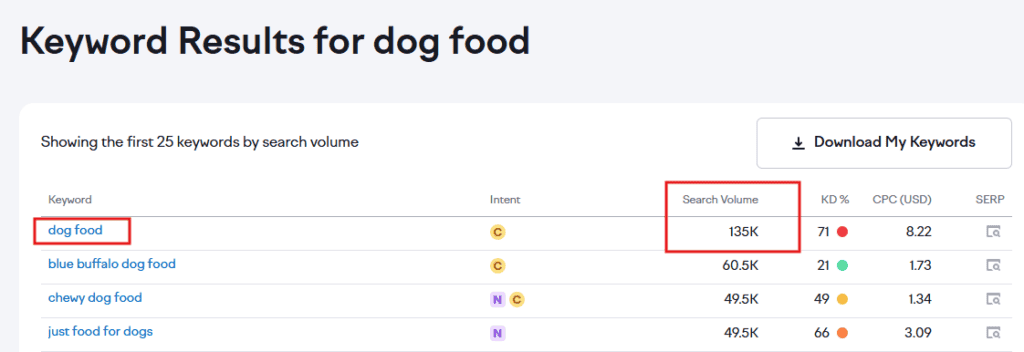
Competition is a major factor. Ranking for broad terms like “dog food” takes serious effort. It usually means heavier off-site link building just to compete. Compare that to a niche keyword like “hypoallergenic dog food for sensitive stomachs.” Fewer brands chase it, so rankings are often easier and less expensive to win.

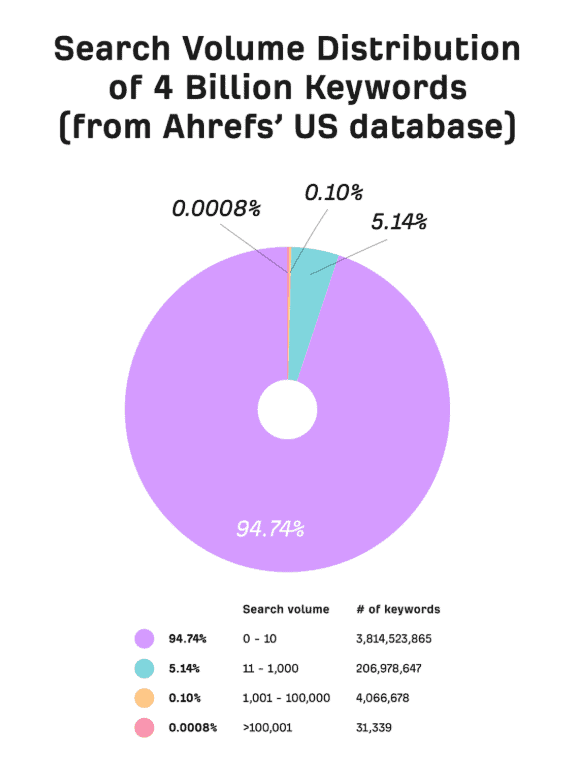
Research supports this, too. A study by Ahrefs shows that most U.S. keywords are searched for fewer than 10 times per month. For e-commerce stores, this is where opportunity lives. These long-tail searches are easier to rank for and often come with stronger buying intent.
Site health matters more than most people expect. Technical debt, penalties, or years of ignored issues slow everything down. First, you have to run a technical SEO audit and fix issues like broken links before you can actually start building new organic traffic.
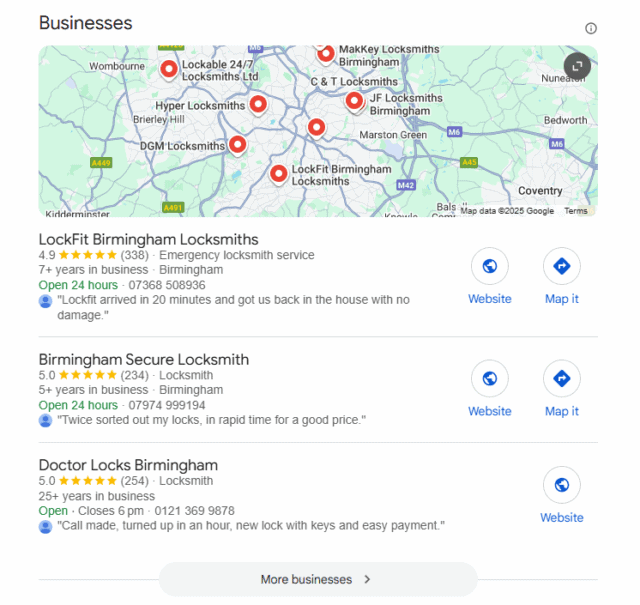
Where you sell changes the scope. Local stores targeting nearby customers through Google Business profiles face less competition. National and international campaigns require more structure, more tracking, and far more coordination, which naturally increases cost.
Content also plays a role. Publishing an occasional post is one thing. But running ongoing content creation is another story. Add deeper reporting, custom dashboards, and hands-on strategy. And pricing rises to match the level of insight and involvement required.
Hidden costs to consider
The monthly retainer is only part of the picture. To make search engine optimization actually work, there are often additional costs beyond the SEO contract. These don’t mean you chose the wrong package. They’re just part of executing SEO properly.
Technical work is a common one. Many SEO teams will flag page speed issues or structural problems, but they won’t touch your code. Fixing those recommendations usually requires a developer. That technical development work adds up, so it’s smart to plan for it early.
Tools are another quiet expense. Google Search Console is free, but keyword mapping, rank, and ROI tracking tools aren’t. Depending on the setup, software subscriptions can run hundreds per month. Always check what’s included and what you’ll need to cover yourself.
Content often lives outside the retainer, too. If your package focuses on strategy, someone still has to write product descriptions, blog posts, or guides. You may also need fresh photos or videos. SEO brings people in, but strong content is what keeps them engaged and buying.
Platform fees can sneak up on you as well. Many e-commerce websites charge for plugins or apps that handle tasks such as schema markup. Each one seems small, but over a year, those monthly costs add up faster than expected.
Wrap up
Picking an e-commerce website seo package is about being smart with your money. Prices range from a few hundred to thousands. It all depends on your size and your SEO goals. Just remember that you get what you pay for.
Think of SEO as a partner. It’s a long-term play. It takes 3 to 6 months to see real ROI tracking data. But once that organic traffic starts flowing, it’s the cheapest way to grow your shop. It builds over time.
Find someone who gets product schema, internal linking, and how search engines actually work today. Start with the tier you can afford. As your rankings go up, you can spend more. Just scale with your success.Want more tips on e-commerce SEO and how to win? Follow the recommendations in this guide and subscribe to SEO Power Plays for more on SEO trends and tools. We share what actually works so your store gets found and converts.