
Resource page link building is a powerful, scalable, white-hat SEO strategy that’s as effective today as when it began in the 1990s.
Resource page links are so valuable because they’re high-authority, relevant editorial backlinks that boost SEO, drive organic traffic, and benefit both the resource page owner and the link builder.
As links come from curated resource pages, they’re relevant, helpful, and safe — making them one of the best SEO link-building tactics.
Our guide provides a proven, repeatable strategy for finding high-quality resource pages and creating powerful backlinks that strengthen your Domain Authority and Domain Rating (DA/DR).
You’ll learn an evergreen, set-and-forget SEO strategy that keeps on giving.
Highlights
- What resource page link building is and why it`s a powerful set-and-forget white-hat tactic
- How to get quality resource page backlinks
- Proven SEO checklist for vetting high-authority opportunities
- Advanced search operators for discovering resource pages in any niche
- A scalable workflow used by top SEOs and growth teams
- High-converting outreach templates designed for real acceptance rates
What is resource page link building?
Tim Berners-Lee created the World Wide Web so scientists could share relevant information. Google began, so we could.
Resource page link building taps into those original purposes by making the most relevant and trusted information available to users, whilst improving your website’s SEO.
In simple terms, resource page link building involves asking authoritative websites with curated lists that provide valuable information to their audiences to link to your content.
And it’s a win-win for everyone.
A website gains value for users, and you get a free link from an authority site, which boosts your website’s authority and improves its organic search ranking by telling search engines that your content is helpful, informative, and meets user intent.
Your goal is to earn your place on these curated lists.
Why resource page link building matters for SEO?
Google’s spam updates exist to identify and remove manipulative and unnatural links.
Resource page link building complies with Google’s focus on promoting helpful content, making it crucial for organic SEO.
Google confirms this:
- “Resource page link building is crucial for SEO because it secures high-quality, relevant backlinks from authoritative sites, signaling trust and value to Google, which boosts rankings, drives targeted traffic, and enhances niche authority, all while fitting naturally into users’ information-seeking journeys.”
Unlike chasing spammy directories, sketchy link exchanges, or risking Google penalties with PBNs, you’re not begging for links here.
Instead, you’re creating an effective white-hat, set-and-forget strategy by offering value that doesn’t need updating, making it powerful for long-term organic SEO.
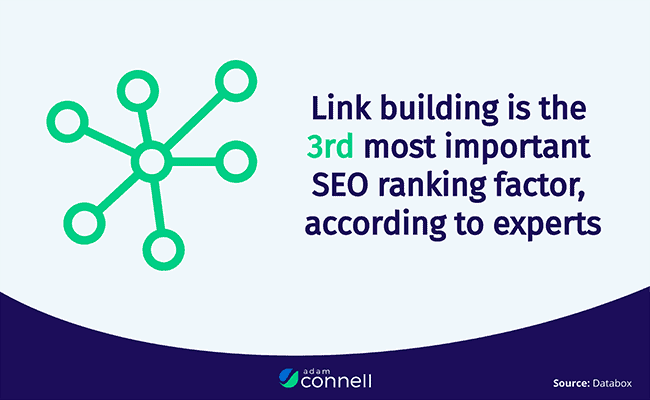
Benefits of resource page link building
When a site adds your content to its resource pages, you get:
- Natural, safe links that align with Google’s guidelines
- Editorial backlinks from relevant, authoritative sites
- High-quality authority signals that Google trusts
- Faster topical authority growth
- Long-lasting links
DemandSage reports that:
- “Top pages have ~3.8× more links: Link building significantly impacts SERP rankings.”
Google explains how links do it:
- “These links act as strong trust signals, tell search engines your site is credible, and offer long-term, sustainable SEO benefits.”
4 Steps to resource link building success
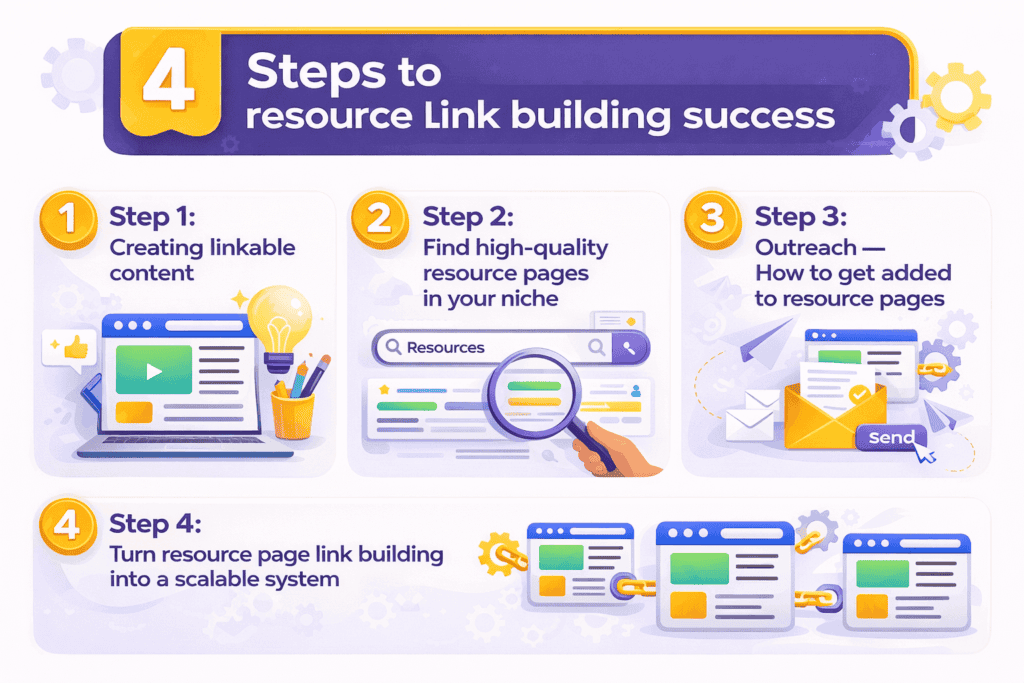
Step 1: Creating linkable content
Weak or generic content won’t get you links — no matter how good your outreach is. You need link-worthy content that provides value to the resource page`s users.
Resource-page worthy ideas:
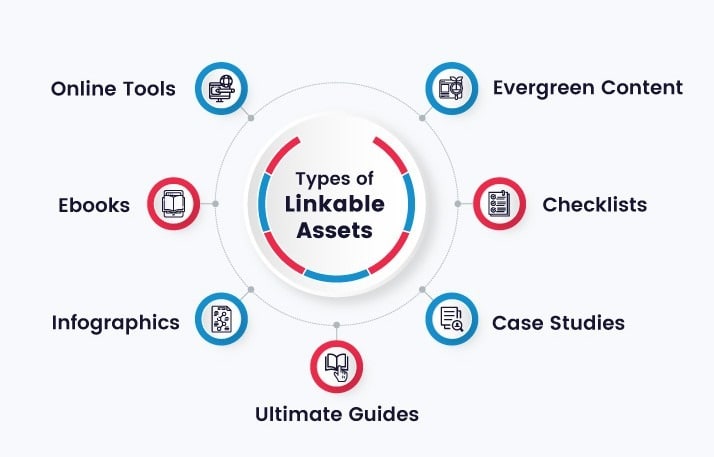
- Comprehensive, evergreen guides — In-depth guides that solve a problem and hold their value, such as:
- Beginner’s guide to technical SEO
- Complete remote work toolkit for distributed teams
- Original data, benchmarks, or research — Statistics, surveys, and industry reports, like:
- Annual SaaS churn benchmark study
- E-commerce conversion rate industry statistics
- Free tools, templates, and calculators — Curators love practical, plug-and-play resources, including:
- Content calendar templates
- ROI calculators
- Outreach email swipe files
- Educational resources — Glossaries, foundational explainers, and reference lists:
- SEO glossary for non-technical marketers
- Mental health resources for college students
How to audit your existing content for linkable asset potential
You don’t need to create new content to earn a backlink.
Instead, review your existing assets that already perform well and choose those that only need a few authoritative backlinks to rank in the top three.
Begin by:
- Identify existing strong performers — Check Google Search Console for pages with:
- Mid-range rankings (positions 5–20)
- High impressions
- Review pages already earning links — Use Ahrefs, Semrush, or Moz to identify URLs already earning links, look for:
- Guides with steady referring domain growth
- Tools/templates earning organic mentions
- Cited data or stat pages
- Confirm evergreen value — Resource pages don’t often link to trend-based or time-sensitive content; choose something you know will remain relevant and useful.
Ask yourself:
- Will this still be relevant in 12–24 months?
- Can I refresh it?
- Evaluate your content quality — Run a quick backlink quality assessment to identify high-quality content that resource page curators will add to their lists, check for:
- Depth and completeness
- Search intent alignment
- Recent updates
- Clear headings
- Readability
- Grammar
- Keep your asset fresh and reader-friendly — it improves your chances of getting a link:
- Updating screenshots, data, and examples
- Adding visuals, diagrams, or checklists
- Writing in a clear, conversational style
- Add visuals, charts, or checklists
- Ensuring mobile readability
Step 2: Find high-quality resource pages in your niche
Finding high-quality resource pages requires more than a simple Google search or collecting dozens of URLs.
You need niche-relevant resource pages that suit your content and reach a large enough audience.
Finding those requires a resource-link-building strategy that leverages smart search operators and a simple vetting process to identify and evaluate backlink opportunities.
What to look for when choosing a resource page
- Ensure the resource page passes Google’s EEAT standards (Experience, Expertise, Authoritativeness, Trustworthiness)
- Has high authoritative page authority (PA) and domain authority (DA) metrics
- Includes high-quality links on their resource page
- Frequently updates its resource page
- Has contact information
Your resource link-building strategy relies on authoritative websites that meet these standards. Next, I’ll explain how to find them.
Use advanced search operators
Advanced search operators are commands, characters, and symbols (such as [keyword] inurl:resources or [keyword] “recommended reading”) that you enter into search engines to specify what you’re looking for.
They refine your query and filter results to find information your competitors might miss, such as high-authority resource lists and niche-relevant link opportunities.
Core operators can use:
- [keyword] intitle:resources
- [keyword] inurl:resources
- [keyword] “helpful resources”
- [keyword] “useful links”
- [keyword] “recommended reading”
Example:
- remote teams “helpful resources”
Niche examples for faster prospecting
Advanced search operators help you find relevant, high-authority pages that suit your audience’s intent, so you know they want what you’re offering.
For SEOs:
- seo “useful guides”
- “technical seo” inurl:resources
For founders & marketers:
- startup “helpful resources”
- “content marketing” “recommended tools”
Educational & nonprofit operators (High-authority gold mines)
Top-Level Domains (TLDs) such as .edu, .org, and .gov often have resource hubs with strong, relevant, and trustworthy links.
Try:
- site:.edu [keyword] resources
- site:.org [keyword] “additional resources”
- site:.gov [keyword] “useful links”
Reverse-engineer competitors to find proven resource page links
Reverse-engineering (analyzing your competitors’ backlinks) is a fast way to find high-quality resource pages in your niche, because sites that link to your competitors are likely to link to yours.
The strategy identifies where competitors earn links, which high-value domains they target, and how to secure similar link opportunities.
Follow these steps:
- Open Ahrefs/Semrush
- Enter a competitor’s top guide, tool, or template
- Go to the backlinks or referring domains report
- Filter anchor/URL text for:
- recommended
- helpful links
- resources
- guide
- tools
- Export the list and vet it
Quick vetting checklist for high-quality resource pages
Not all resource pages are worth your outreach time and effort.
A quick backlink quality assessment that vets and confirms high-quality resource pages helps you target only those that support the long-term growth of SEO link-building authority.
- Relevance: The resource page must align with your niche, topic, or target audience
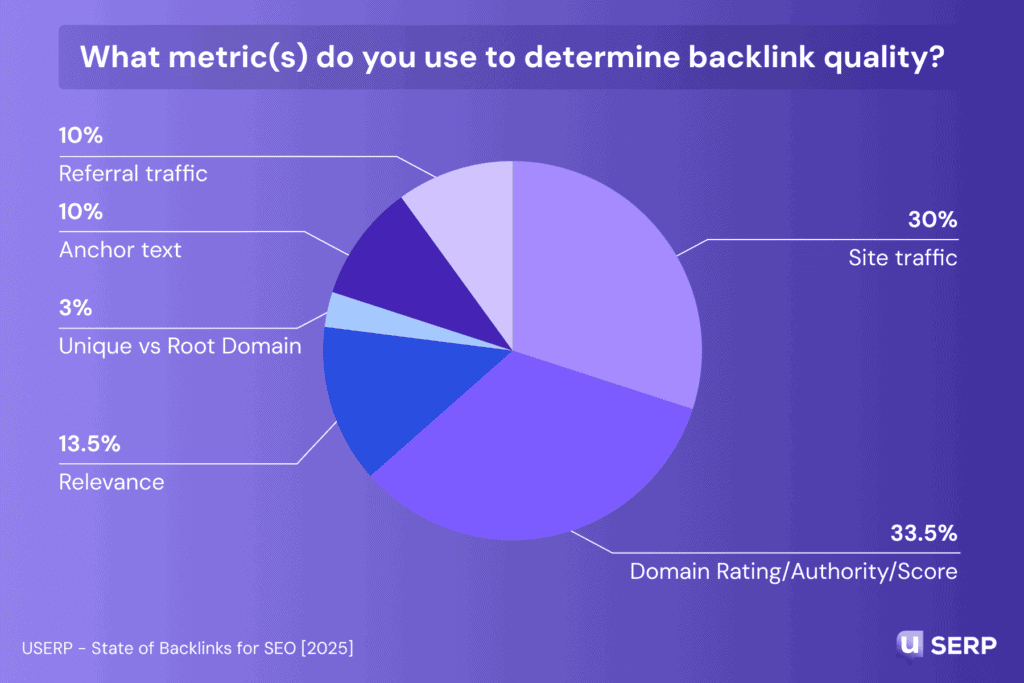
- DA/DR score: Use Moz, Ahrefs, or Semrush to confirm the site has a healthy authority and a high-quality domain
- Outbound Link Quality: Avoid link farms, spam directories, or pages with 200+ outbound links
- Traffic signals: Use Ahrefs or Semrush to verify site ranking for keywords to avoid inflated DR
Step 3: Outreach — How to get added to resource pages
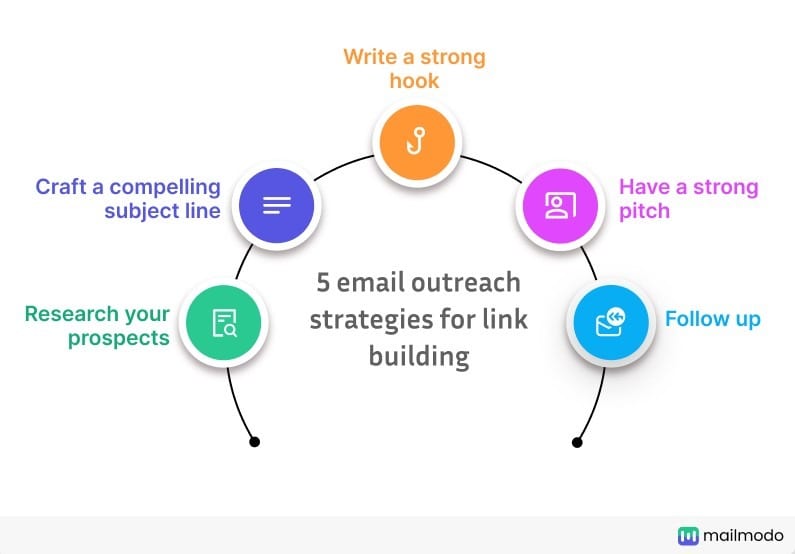
You could have a brilliant linkable asset, but successful outreach requires a perfect pitch sent to the right person.
Like any sales pitch, your outreach strategy has one chance to make a good first impression.
Remember, you’re not begging for a link; you’re pitching an asset you know brings value to the person you’re contacting.
And that’s where it begins — finding the right person to contact.
How to find the right person to contact
Reaching the decision-maker increases your chances of securing links. Instead of emailing generic inboxes, identify the editor, webmaster, or content manager using:
- Hunter.io to find editor/webmaster emails
- About/Team pages for direct contacts
- Clearbit for enriched info
- LinkedIn to confirm roles
Once you know that info, you can tailor your pitch.
Personalize your pitch, focus on value
Don`t use generic pitches; this is your opportunity to connect on a personal level by crafting an outreach email that:
- Identifies something specific on their page, like a gap you can help them fix
- Stays concise and conversational
- Explains the audience benefit
You’re not asking for a favor — you’re offering value. When curators see how your resource enhances their page, they’re more likely to accept your request.
High-converting outreach templates for resource pages
Here are some templates you can customize to use for your pitch.
1. Broken link replacement:
Subject: Quick fix for your [Topic] resource page
Hi [Name],
I was reviewing your [Topic] resource page and noticed a broken link to [Old Resource]. You might appreciate a working alternative.
I have an updated article covering the same topic in depth:
[Your URL]
If it helps your readers, please feel free to use it as a replacement.
Thanks for maintaining such a valuable page.
Kind regards,
[Your Name]
2. Simple resource submission:
Subject: Resource suggestions for your [Topic] page
Hi [Name],
I came across your curated resource page on [Topic] — great roundup for [audience].
I recently published a free resource that I`m sure would benefit your users:
[Your URL]
Its purpose is to help [outcome in 1–2 lines]. If you feel it adds value, I’d love for you to include it.
Thanks for your time and for a great page.
Kind regards,
[Your Name]
3. Outdated resource replacement:
Subject: Quick update for your [Topic] resources?
Hi [Name],
I noticed that your [Topic] resource page links to [Old Resource], which could use an update.
I created a refreshed version that may serve your audience better:
[Your URL]
If it’s helpful, feel free to add my link as an updated option.
Appreciate the work you’re doing curating these resources.
Kind regards,
[Your Name]
How to follow-up (without being pushy)
It often takes a follow-up email to get a link, so don`t miss this step:
- Follow-up #1: 3–4 days later
- Follow-up #2 (final): 7 days later
Email example:
“Hi [Name], just bumping this in case it slipped through. I still think [Resource] could help your readers, but no worries either way. Thanks again!”
Step 4: Turn resource page link building into a scalable system
Scaling doesn’t mean more work — it’s about creating a repeatable, scalable link-building workflow.
Here’s where your resource link-building becomes a reliable strategy for ongoing DR/DA improvements and steady growth in SEO link authority.
Use a CRM or tracker to manage prospects
A simple spreadsheet or a lightweight CRM can help you track every prospect and ensure you capitalize on every backlink opportunity.
Include these stages:
- Prospected — found using search operators or competitor research
- Vetted — passed relevance and backlink quality assessment checks
- Contacted — personalized outreach email sent
- Followed up — one or two polite follow-ups completed
- Won / lost — Link added or opportunity closed
Delegate the process for efficiency
To scale efficiently, divide your workflow and delegate roles, either in-house or by outsourcing.
- Prospecting (Junior role): A junior SEO or VA can use search operators for link building, competitor analysis in Ahrefs/Semrush, and resource page discovery
- Vetting (Skilled Role): An experienced SEO can review prospects for authority, DR/DA value, and relevance
- Outreach & Personalization (Senior Role): If pitching isn’t your strength, hire a strategist or senior outreach specialist to craft messages, personalize pitches, and manage replies
Measure the ROI of resource page link building
- Keyword rankings: Monitor your chosen target keyword rankings using tools such as SEMrush or Ahrefs to assess how your link-building strategy is improving visibility for high-value terms
- Domain authority: Although they’re not direct ranking factors, tracking your Domain Rating (DR) and Authority (DA) will show if your site’s credibility is increasing
Resource link building FAQs
What is resource link building?
Resource page link building involves securing high-quality, relevant backlinks from authoritative websites through curated lists targeting a specific niche or audience.
How do resource pages improve SEO?
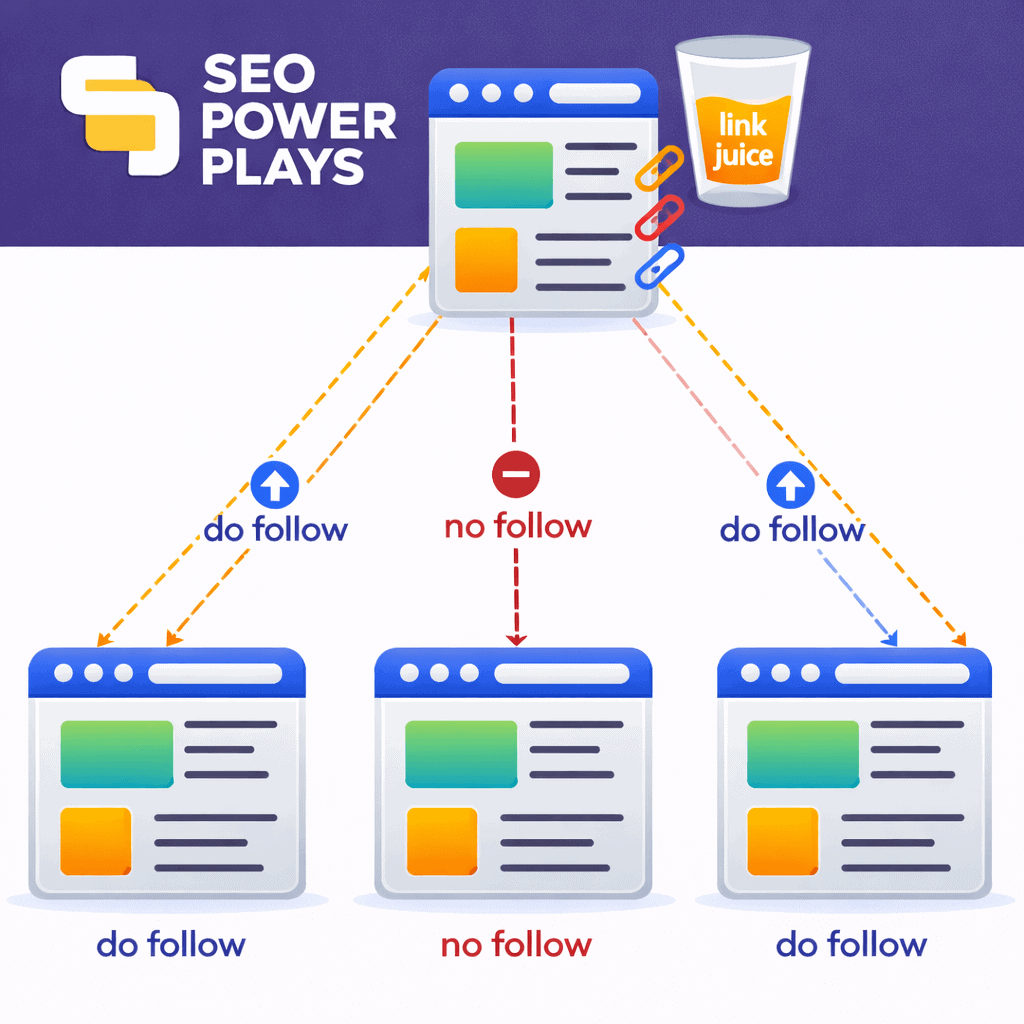
Links from authoritative websites with relevant resource pages pass valuable link equity (commonly known as link juice) that signals trust, credibility, and value to search engines, helping drive traffic, boost rankings, and enhance page authority.
What makes a good resource page?
Link-building campaigns require regularly updated resource pages with high domain authority ratings that align with your linkable content.
What industries publish resource pages?
Healthcare, nonprofits, technology, environmental conservation, and education often maintain resource pages to enhance their page authority and share content, guides, and tools.
How do I find authoritative resource pages?
You identify resource pages using Advanced Search Operators, competitor reverse engineering, and SEO tools such as Semrush, Moz, or Ahrefs to find pages linking to your competitors.
How to pitch for a resource page link?
Outreach emails should be personal and address the resource website owner directly. Highlight the value your content provides to their resource page, and conclude with a call to action.
What are common mistakes in resource link building?
Common mistakes include:
- Targeting websites with low page authority (PA) and domain authority (DA) metrics
- Not personalizing your resource link-building outreach process
- Not targeting niche-relevant resource pages
- Using generic outreach emails
- Ignoring page freshness
- Pitching poor content
- Failing to follow up
Conclusion
Resource page link building remains one of the most powerful set-and-forget SEO strategies for building domain authority.
It’s safe, scalable, and helps you build SEO link authority growth while strengthening your niche credibility.
Want the latest link-building techniques and proven methods for long-term authority growth?
Subscribe to SEO Power Plays, where you’ll get insights, expert tips, and trend updates delivered to your inbox.