
Most marketing teams produce a lot of content … but can’t answer a simple question:
“Why this piece, for this audience, published now?”
This is the gap (between content production and content strategy) where traffic stalls and budgets disappear.
And, look, I get it. “Content strategy” gets used to mean multiple things. Like an editorial calendar, a brand voice document, a keyword list, or an entire content marketing program. No wonder people are confused.
That’s why, I’m clearing it up for you now.
In this guide, I’m covering what content strategy really means, its key components, and a practical starting framework you can use to build (or fix) your own content strategy. 👇
Highlights
- Most teams create content without a clear reason, which leads to wasted effort and poor results.
- Content strategy fixes this by aligning what you create with your audience’s needs and your business goals.
- A strong strategy includes knowing your audience, setting clear goals, building a focused content plan, and maintaining governance.
- It also means targeting the right keywords, updating content regularly, and measuring results that impact revenue.
- Start simple, stay consistent, and your content will drive more qualified traffic, leads, and conversions over time.
What is content strategy? A plain-English definition
Content strategy means planning, creating, distributing, and governing content in a way that serves both your audience’s needs and your organization’s goals.
Or, as Brain Traffic says:
“Content strategy means getting the right content, to the right people, in the right place, at the right time.”
In other words, you’re looking at the full picture before writing a word:
- You know the target audience and their pain points deeply.
- You’re clear on the most important business goals and how they tie to content goals.
- You think through a full content plan. (What to cover, why, how, where, and how to measure it.)
- You map out a way to govern it all.
This is not a single document or tool. It’s a set of integrated decisions about how content works across the business.
Speaking of what content strategy is not …
What content strategy is NOT
Contrary to what most people think, content strategy is NOT:
- A one-time project. A real content strategy gets maintained and updated as the target audience, goals, and competitive landscape evolve. (Which they will.)
- A content marketing plan. Content marketing is one application in the content strategy world, focused on acquisition and brand building.
- An editorial calendar. That’s a scheduling tool that serves a content strategy.
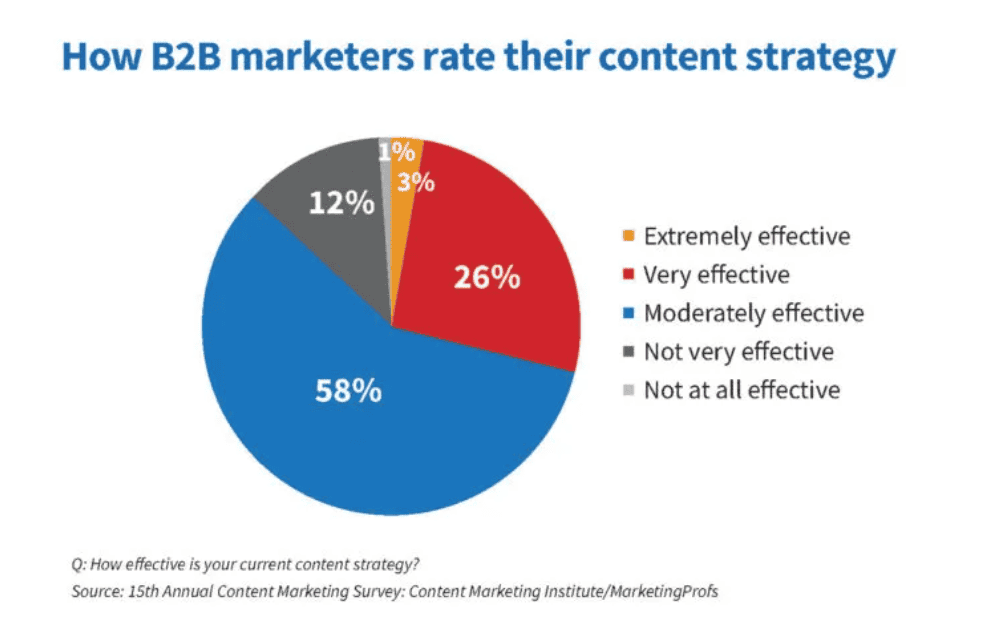
Not surprisingly, 58% of B2B marketers rate their content strategy as just “moderately effective,” according to Content Marketing Institute research. (Lacking clear goals is a common reason.) And only a third say they have a scalable model for content creation.
Let me walk you through the four pillars that every content strategy should have so you don’t end up in the same boat. 👇
The four core components in a content strategy
If your content strategy doesn’t have these four things, it’s not really a content strategy.
1. Audience understanding
Every content strategy starts with a clear picture of who you’re creating content for. Not demographics alone. But the questions they’re asking, the problems they’re trying to solve, and where they go to find answers.
Practical tools you need for audience understanding include:
- Community listening (forums, LinkedIn, Reddit threads in your niche).
- Search data (what are people actually searching for?).
- Real customer interviews.
- Audience personas.
Here’s a key question to answer: what does my audience need that they aren’t currently getting from the content that already exists?
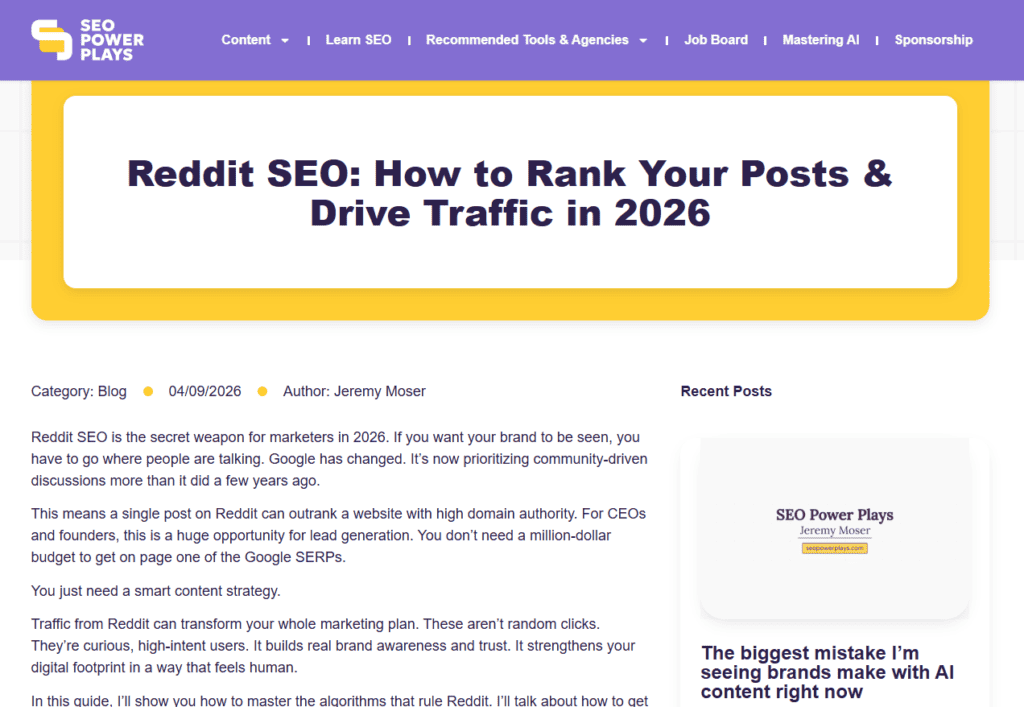
*Pro-Tip: Highly recommend reading this Reddit SEO guide when you get a chance. 👇
2. Goals and metrics
Content serves different goals at different funnel stages.
This includes:
- Awareness (organic reach, new visitors).
- Consideration (time on page, return visits, email sign-ups).
- Conversion (leads, trials, purchases).
- Retention (engagement, product adoption, referrals).
A strong strategy explicitly maps content types to funnel stages and defines what success looks like for each. Saying you want “more traffic” isn’t going to cut it. Saying you want a “30% increase in organic sessions from non-branded queries in 6 months,” is more like it.
Without defined goals, there’s no way to know whether your content is working or just keeping people busy.
3. Content plan
The content plan is where strategy becomes execution. It covers: what topics and formats you’ll produce, at what frequency, on which channels, and in what priority order.
For SEO-driven content strategies, this includes:
- A content calendar that reflects both search opportunity and business priorities.
- Topic clustering (building content hubs around core themes).
- Keyword research.
Format decisions matter here, too. (A long-form guide, a short explainer, a video script, and a newsletter article all serve different audience behaviors and channel contexts.)
4. Governance
Governance is the least glamorous part in the content strategy process and the most commonly skipped.
It covers:
- How you decide when to update vs. retire underperforming content.
- How you maintain brand voice consistency across contributors.
- How you keep old content accurate and up-to-date.
- Who approves what before it’s published.
Without governance, content quality degrades over time as teams grow and priorities shift. (Imagine still having a blog post up about human resource management, when you no longer serve that audience segment.)
*Pro-Tip: A simple style guide and a content audit cadence go a long way.
But wait … so content strategy isn’t just content marketing? NO! There’s a difference, friends.
Here’s how you can tell the two apart. 👇
Content strategy vs. content marketing: clearing up the confusion
Content marketing means using valuable, relevant content to attract and engage a defined audience to drive profitable customer action. It’s a discipline that sits within a broader content strategy.
Content strategy is the foundation. It answers the “why” and “how” questions that content marketing execution depends on. You can run content marketing without a formal content strategy — but you’ll hit a ceiling quickly.
In other words, with content strategy, you’re deciding why writing about something matters. In content marketing, you’re writing, publishing, and distributing that content.
TL;DR: An SEO content strategy is the blueprint. Content marketing is the construction work. You can build without a blueprint, but you’re unlikely to end up with what you intended.
With the basics covered, let me show you a super practical starting framework for creating a content strategy.
How to build a content strategy (a practical starting framework)
I recommend reading through these steps first, bookmarking this guide, and then implementing them in order. This section is also a great mini SOP you can copy and attach in your docs and files section in your Work OS. (Or you can add it to your team’s Google Drive if you keep your procedures there.)
Step 1: audit what you already have
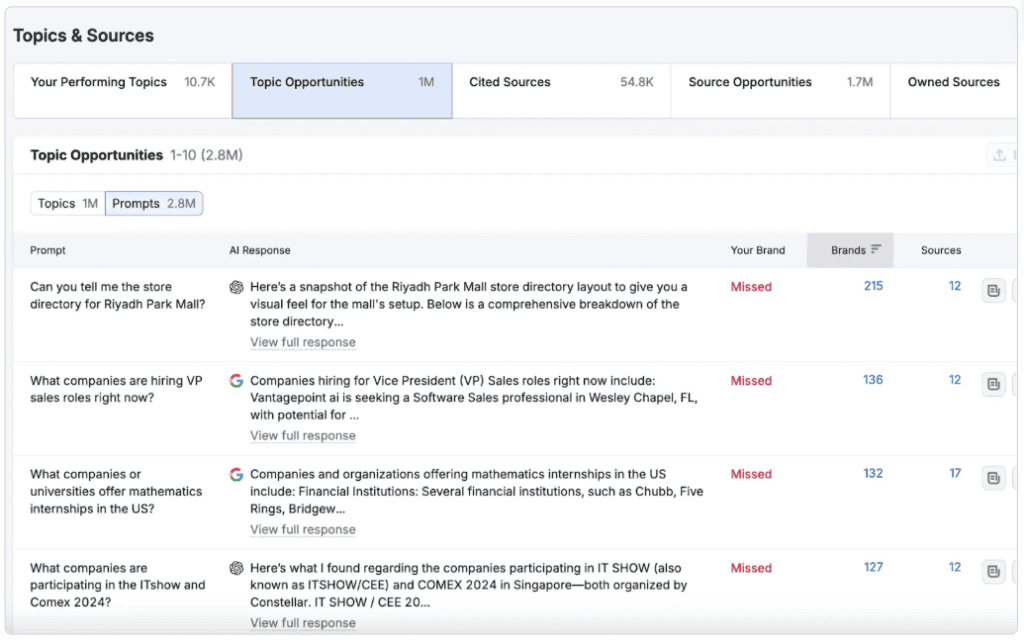
Before creating anything new, understand your starting point. Start with a content audit that documents every piece of content you’ve published. This includes what it covers, how it performs, and whether it’s still accurate and relevant.
Look for: high-performing content worth building on, underperforming content worth updating or retiring, and gap areas your audience needs that you haven’t covered.
*Pro-Tip: Make sure to also flag any AI slop you might’ve published before you knew better.
Let’s say one blog post, “How to Reduce Employee Turnover in 10 Steps,” consistently brings in organic traffic and drives demo requests. This means it’s clearly aligned with a core pain point for your audience. Instead of leaving it as is, you can expand it into a more in-depth guide, add a downloadable checklist, and repurpose it into a webinar to capture more leads.
On the other hand, if a post like “Top HR Trends in 2022” is outdated and barely gets traffic, you can refresh it if the topic still matters. Update it with current data and reposition it as “HR Trends Shaping 2026.” (Or remove it entirely if it doesn’t support your current strategy.)
Let’s say you also spot gaps.
For instance, there’s little to no content addressing ROI or helping buyers justify the cost of HR software. These topics matter when decision-makers are close to purchasing. To fill this gap, you plan new content such as an ROI-focused listicle, a simple calculator, and a case study that shows measurable results.
Step 2: define your audience and goals
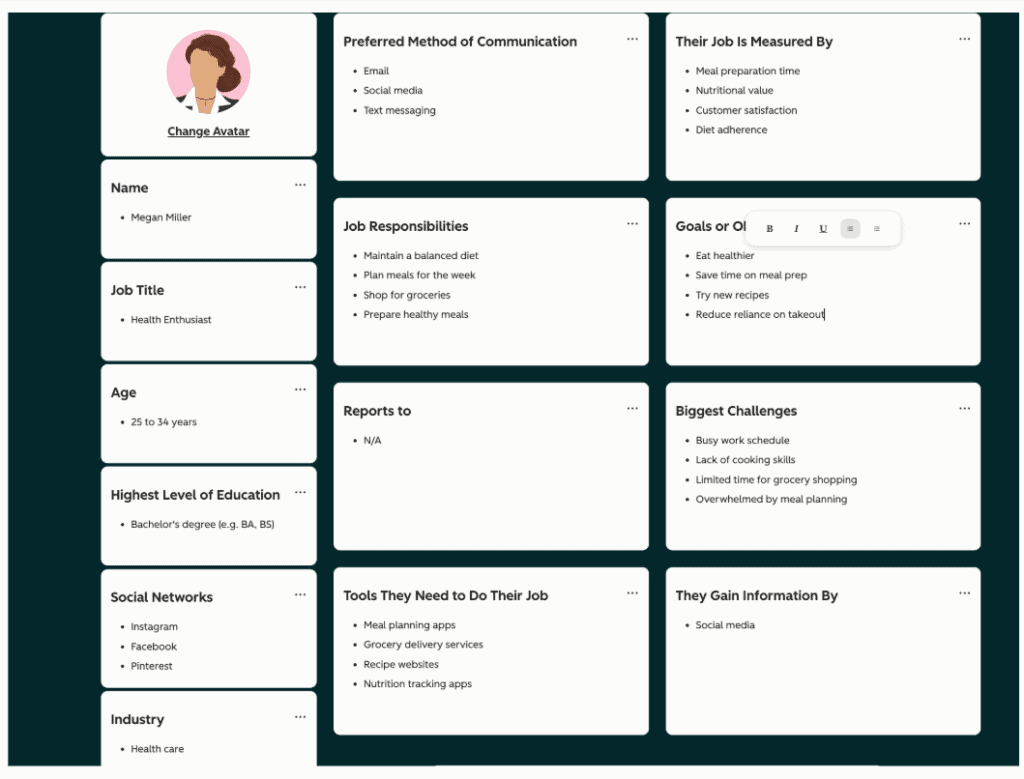
Document who your primary audience is.
Create buyer personas for each customer segmement and include:
- Their role.
- Their key questions.
- Their content preferences.
- How they move through a buying or decision-making journey.
Then, set specific, measurable goals tied to business outcomes. (Avoid vanity metrics as the primary target.)
Now your content has a job.
For instance, instead of publishing general posts like “Shipping Tips for Online Stores,” you create content that maps to real user questions and decision stages, like.
- A guide on reducing delivery delays that targets operations managers at the awareness stage.
- A comparison page that helps ecommerce sellers evaluate options in the consideration stage.
- A case study with cost savings and delivery improvements that nudge CEOs to say yes during the conversion stage.
As far as goals, you might set ones like:
- “Increase demo requests from logistics-related blog content by 40%”
- “Generate 200+ qualified leads from ROI-focused pages per month”
- “Improve conversion rate on decision-stage content (like case studies).”
Step 3: build your content plan
Use keyword research to identify topics with real search demand. Group related topics into clusters around core themes.
Then, prioritize what to create based on these three things:
- Ranking feasibility: Can you realistically compete based on your domain strength?
- Search intent: Does the keyword signal that the person is researching, comparing, or ready to buy?
- Business relevance: Will this topic naturally lead into your product or service?
➜ Prioritize terms that have a low competition score, show strong buying intent, and directly support a business goal.
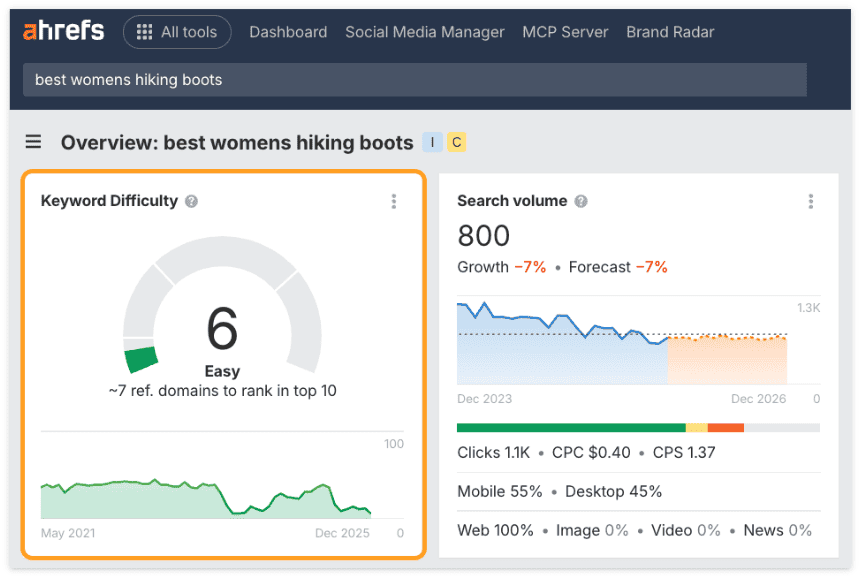
For example, instead of targeting a broad, competitive keyword like “logistics software,” go after more specific, lower-competition terms such as:
- “How to reduce shipping costs for ecommerce brands”
- “Best logistics software for fast-growing online stores”
- “Multi-carrier shipping software for Shopify”
These ecommerce website keywords may have lower search volume, but they attract people actively looking for solutions. That means higher-quality traffic and a better chance of converting visitors into leads.
From there, group these keywords into clusters around a core theme.
For instance, let’s say your core theme is “ecommerce logistics optimization.”
Then you’d build the cluster like this:
➜ Pillar page: “Complete Guide to Ecommerce Logistics Optimization”
➜ Supporting content:
- “How to Reduce Shipping Costs Without Slowing Delivery”
- “Multi-Carrier Shipping: Benefits and Setup Guide”
- “Common Logistics Mistakes That Hurt Customer Experience”
Each piece targets a specific keyword with clear intent, but they all connect back to the same core topic. This helps you build authority and makes it easier to rank over time.
Now every piece of content earns its place.
You’re targeting keywords you can actually rank for, attracting people who are closer to making a decision, and tying each topic back to a measurable goal, like demo requests, qualified AI search leads, or sales conversations.
Next, assign formats and channels based on audience behavior.
Where does your audience spend time? What content format best serves each topic’s intent? For many B2B audiences, this includes blog posts, white papers, videos, and case studies (published on the company website) — as well as thought leadership content published on X and LinkedIn.

(Image made with Chat’s new image feature)
Again, think about the target audience. Where are they at?
Step 4: establish governance
This is where many content strategies fall apart.
You can have the right keywords, strong ideas, and clear goals. But without structure, content can get inconsistent, outdated, and harder to scale as your team grows.
Governance fixes that. It turns content from a one-off effort into a system you can manage and improve over time.
Start with a simple style guide. This doesn’t need to be a 50-page document. Just define how your brand sounds, how you format content, and what “good” looks like.
*Pro-Tip: Link a few blog posts and content assets that demonstrate this to really drive it home.
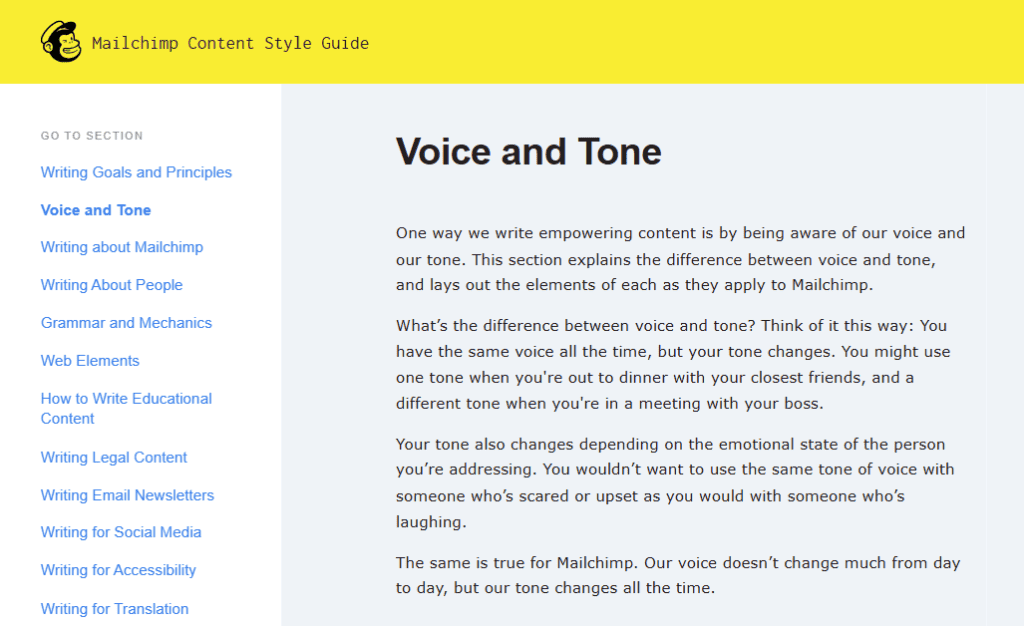
For example, include guidelines like:
- Formatting: Short paragraphs, scannable sections, no jargon.
- Content examples: [Add your example links here.]
- Tone: Expert but conversational.
- Voice: Clear, direct, no fluff.
This keeps your content consistent, even if multiple people are creating it.
Next, define a clear approval workflow. Who writes? Who edits? Who signs off?
Without this, content gets stuck in review cycles or published without proper quality control. A simple flow (writer → editor → final approval → publisher) is all you need.
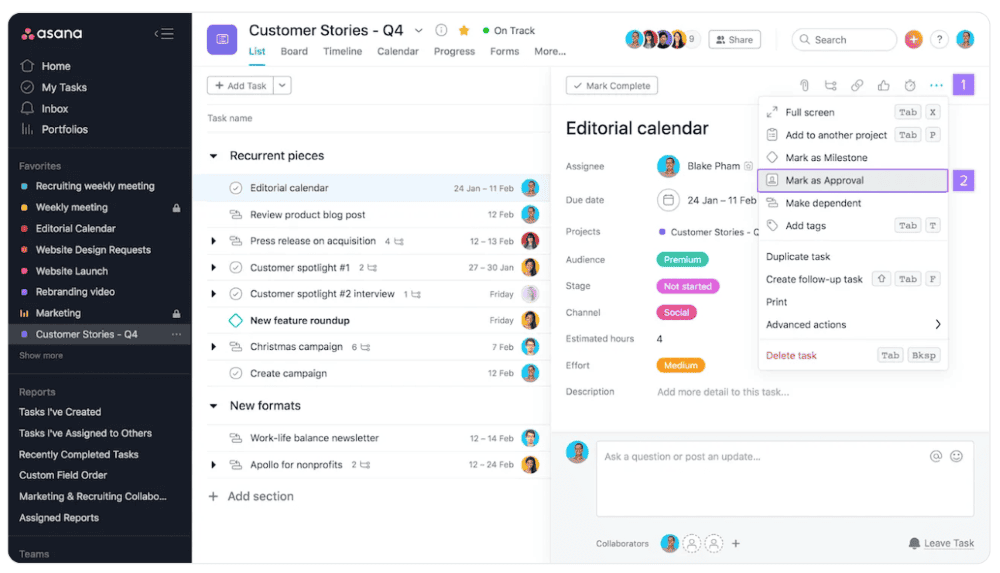
Then, make your publishing cadence visible.
Make sure your content calendar shows what’s being published, when, and why it matters. (Not solely deadlines, but how each piece ties back to a keyword, a persona, and a business goal.)
For example, a blog post targeting “how to calculate shipping ROI” supports a decision-stage keyword tied to lead generation. This context should be clear in your content calendar.
Finally, set a regular review check-in.
Content is never done once it’s published. Search rankings shift. Information gets outdated. And new opportunities always appear.
A quarterly review works best for most teams. Use it to answer questions like:
- What’s ranking and driving results?
- What’s underperforming and needs updating or repurposing?
- What content no longer aligns with your audience or offer?
- What new keyword opportunities have emerged?
For instance, if a post targeting a high-intent keyword starts slipping in rankings, that’s a sign to update it with fresher data, stronger examples, or better alignment to search intent.
With governance in place, your content stays consistent, relevant, and aligned with business goals. Instead of constantly creating from scratch, you build a system that maintains quality, improves performance over time, and makes every piece of content more valuable.
Common content strategy mistakes (and how to sidestep them)
One of the most common mistakes when developing a content strategy is publishing without a keyword strategy. If your content isn’t built around what your audience is actively searching for, you’ll rely on constant promotion just to get eyes on it. That’s not scalable.
Instead, focus on keywords with clear intent (topics your audience is already looking up) so organic search can bring in consistent, qualified traffic.
Another costly mistake is treating content as a one-time deliverable. Publishing isn’t the finish line. A post that performed well two years ago can lose rankings if it’s not updated. Refreshing content with new data, stronger examples, and better alignment to search intent often delivers faster results than creating something new.
Skipping governance also creates problems as your content library grows. Without clear guidelines, your voice becomes inconsistent and older content quickly goes out of date. A simple style guide and a regular content audit schedule can help keep everything aligned.
Finally, measuring the wrong things leads to poor decisions. Pageviews might look good in a report, but they don’t reflect business impact. Focus on metrics tied to outcomes (like qualified leads, pipeline contribution, conversions, or rankings for high-intent keywords). That’s how you know your content is actually working.
Build a content strategy that actually moves the needle
Content strategy is the system behind your content. It connects what you create to what your audience wants and what your business needs to grow. It’s not a publishing schedule, or a mere list with keywords.
If your content feels scattered or underwhelming, the issue usually isn’t effort. It’s direction.
The good news? You don’t need to build a perfect strategy from day one.
Start simple. Audit what you already have. Define your top three goals. Get clear on who you’re targeting and what they’re searching for. Then build from there.
As you refine your approach, your content will start to compound. Rankings will improve. Traffic will become more qualified. And conversions will become more predictable. 💪
P.S. Like content like this? Visit seopowerplays.com for more practical SEO and content strategy resources, tools, and deep dives.