
SEO in 2026 has evolved into “everywhere SEO,” which is why SEO content strategy matters more than ever.
An SEO content strategy lays out which main topics to target in your content according to your specific audience’s searches. With a strategic approach, you can increase your sales qualified leads (SQL), scale your monthly recurring revenue (MRR), and build authority in your respective industry.
In this guide, you’ll learn how to:
- Conduct comprehensive SEO and content audits
- Define your target audience and search intent
- Perform strategic keyword research
- Develop your content pillars and topic clusters
- Create a content calendar and production plan
- Optimize and publish high-quality SEO content
- Monitor, measure, and refine your strategy
Let’s take a look.
Highlights
- An SEO content strategy helps businesses target the right topics for their audience, drive leads, and build authority.
- Start with auditing existing content, defining your audience, and understanding search intent.
- Research keywords, organize them into pillar pages and topic clusters, and create a content calendar.
- High-quality, optimized content must be published consistently. Use E-E-A-T principles and multimedia where helpful.
- Track performance, update underperforming content, and refine your strategy to improve results over time.
What is an SEO content strategy?
An SEO content strategy dives deep into your specific audience’s needs and searches. With the info you pull from your research, you create a content plan that targets specific, relevant topics.
A strategic plan includes:
- Buyer personas and audience research (with common keyword searches)
- Main- and sub-topics to target in your content
- A plan for interlinking your main- and sub topics to create content clusters
- A content calendar and production plan
- Access to semantic keywords to optimize each content asset
- Key metrics to track
The goal is to publish consistent content that’s highly valuable to your audience so they’ll know, like, and trust you. (And, of course, buy from you!)
How an SEO content strategy differs from general content marketing
General content marketing often focuses on brand visibility and storytelling. An SEO content strategy focuses on search demand and measurable outcomes.
In other words, you don’t create content based on ideas alone. Each piece has a clear role. (Created based on real keyword data, defined intent, and ranking potential to support the user experience.)
Businesses that skip this step fail to gain traction.
Without a strategy, content rarely aligns with user intent in a consistent, scalable way.
A defined SEO content strategy helps make sure every asset builds authority, supports your funnel, and drives consistent growth.
Why your SEO content strategy needs an update for 2026
There are several reasons your SEO content strategy needs a 2026 update.
➜ For one, there’s a huge increase in AI-generated content, and a lot of it is low quality.
Because AI tools make content fast and cheap, the internet is flooded with generic, repetitive articles. Many lack real expertise, original insight, or accuracy. A major no-no in the B2B space.
➜ As a result, search engines are stricter about quality. They reward content that shows real experience, depth, and value. Not mass-produced fluff.
Google’s evolving algorithm, for instance, prioritizes helpful content grounded in E-E-A-T. (Experience, Expertise, Authoritativeness and Trust). Google’s Search Quality Evaluator Guidelines emphasize that the most important of these is Trust.
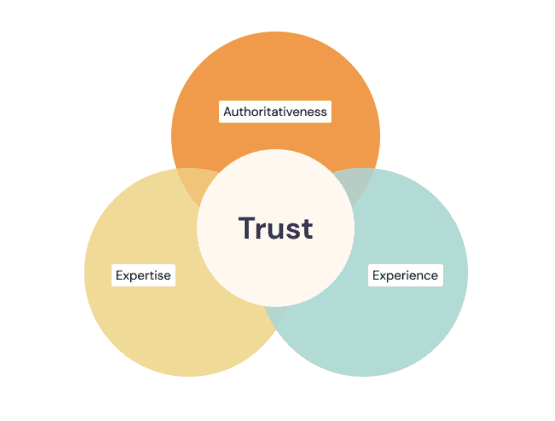
Think about an experienced finance coach who shares insightful information, but then suggests a scammy, high-risk investment. No matter how much experience or expertise they have, their page is now untrustworthy.
➜ The rise of AI Overviews and zero-click searches is another reason your SEO content strategy needs a 2026 update. You need content that’s structured for AI SEO, includes schemas, and, ideally, has backlinks from authoritative media sources. (More on this in a bit.)
➜ And lastly, you need to factor in changing user search behaviors and expectations.
These include:
- Searching across multiple channels, like Google, AI search, social media, Reddit, and other platforms.
- A higher demand for personalized, context-aware results based on location, history, or preferences.
- A desire for multimedia content (videos, interactive tools, visuals) alongside text.
- Expecting credible sources quickly, with less patience for generic content.
- A preference for voice and conversational searches over typed queries.
- (Again) expecting immediate answers via snippets or AI summaries.
Now that we’re clear on the what and the why, let’s look at HOW you can create your SEO content strategy.
Step 1: Conduct comprehensive SEO and content audits
Always start by auditing your existing content.
Take an inventory of all of your current content assets:
- What type of content assets do you have? (Blogs, white papers, product pages, etc.)
- What topics are you currently targeting? What funnel stages do they target?
- Is the information in each content asset still current?
- Does your content have missing information?
- How does each piece of content rank?
With these answers in hand, identify your highest performing versus your underperforming content. What’s helping your best content rank? What’s missing in your underperforming content? Identify content gaps and opportunities. (Hint: That 2025 industry insights guide is officially outdated.)
Also, how does each piece stack up against competitors? Who’s ranking for your target keywords? Analyze their content depth, format, and approach. Your goal is to beat their content with even more value.
Finally, analyze your technical SEO. This is your site’s foundation, so without it, your pieces won’t perform.
Review:
- Site speed, mobile-friendliness, and Core Web Vitals.
- Indexation and crawlability issues.
- Internal linking structure.
Fix your technical SEO before you do anything else.
Step 2: Define your target audience and search intent
Get clear on who you’re targeting and the intent behind their searches.
Conduct audience research and create detailed buyer personas that include their:
- Content consumption preferences
- Demographics (or firmographics)
- Top questions
- Pain points
- Goals
Don’t rush this part. I recommend analyzing Reddit threads and conversations in your community (via LinkedIn, social media, or industry groups). Customer service tickets, behavior intelligence data, and recorded sales calls are also gold.
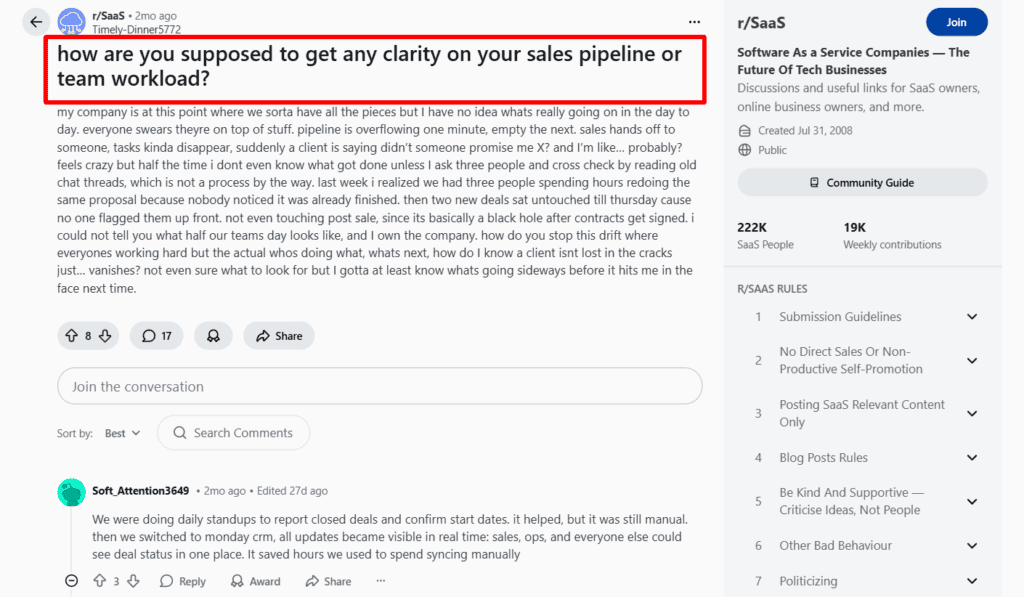
If you target multiple customer groups, create a buyer persona for each group. You’ll need to tailor your content accordingly to each group in this case. For example, for BOFU content, you might target: “Best time tracking software for accountants,” and “best time tracking software for law firms.”
After you thoroughly understand your ideal customer and customer segments, map out the buyer’s journey. Include which types of content your audience needs at each funnel stage. And match content to search intent, too.
For example …
Awareness (Top-of-the-funnel or TOFU)
In the awareness stage, your audience realizes they have a problem but doesn’t know the solution yet. They search things like “why is my website traffic dropping” or “how to improve retail foot traffic.”
For this stage, choose content like blog posts, educational guides, short videos, or simple checklists.
Goal: Focus on clarity. Answer the core question fast. Then go deeper with examples.
Search intent: Informational (the user wants to learn) or navigational (the user wants a specific brand or page).
Consideration (Middle-of-the-funnel or MOFU)
In this stage, your audience is comparing options. Searches look like “Shopify vs WooCommerce,” “best POS system for small retail stores,” or “email marketing tools for business coaches.”
Publish comparison posts, case studies, webinars, and expert roundups.
Goal: Build trust. Show trade-offs and highlight strengths and weaknesses honestly.
Search intent: Commercial. (The user is researching before buying.)
Decision stage (Bottom-of-the-funnel or BOFU)
Now, your audience is ready to act. Searches might include “HubSpot pricing,” “hire retail marketing consultant,” or “buy Klaviyo subscription.”
Create landing pages, product demos, testimonials, FAQs, and free trial offers.
Goal: Remove as much friction as possible. Address objections clearly and make it a no-brainer to choose your offer.
Search intent: Transactional. (The user is ready to purchase.)
Step 3: Perform strategic keyword research
Now you need to pinpoint the exact keywords you’re going to target in your content. Focus on relevance, intent alignment, ranking potential, and business impact. You want these keywords to count and move the needle forward.
Start with tools like Google Search Console, Ahrefs, and Semrush to uncover:
1. Keywords you already rank for (but could improve). Grab your audit results from Step 1 for this part.
2. Competitor keywords driving qualified traffic. Grab your audit results from Step 1 for this part. Use Semrush’s Keyword Gap tool to compare your keyword profile against your competitors.
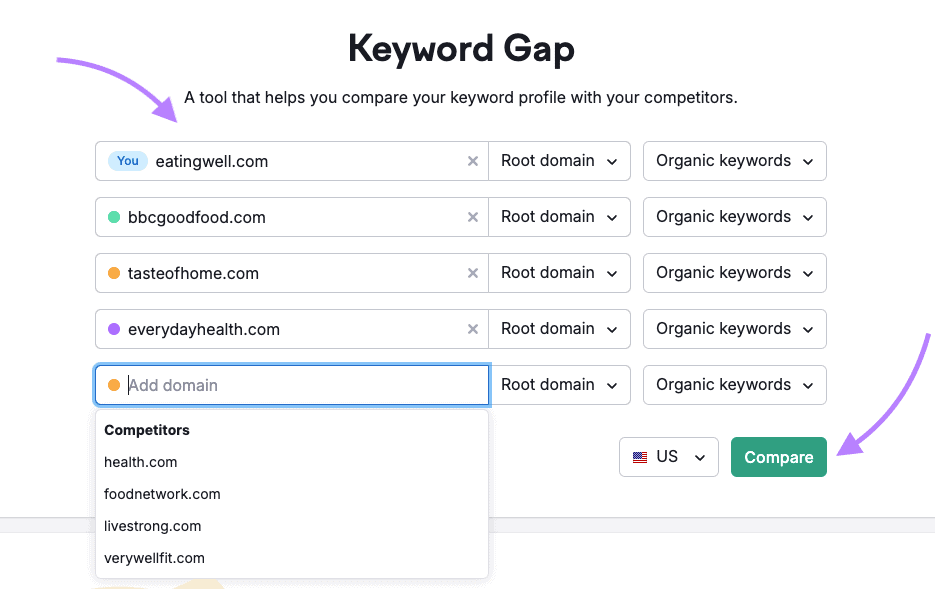
3. New keywords you can target based on your audience’s real questions and pain points. Grab your audience research from Step 2 for this part. Plug those exact phrases, objections, and recurring themes into your SEO tools to uncover search terms your audience is already using.
(Double down on high-intent terms if your main goal is combining SEO + CRO to drive conversions. These will be your BOFU topics. More on this below.)
4. Emerging queries tied to AI, automation, and industry shifts. These are brand-new or fast-rising search terms related to AI tools, automation software, and major changes in how your industry operates. Instead of just “CRM software,” people might search “AI CRM with predictive lead scoring.” Or “automated invoicing for accounting firms.”
How to narrow down your keywords
To narrow down which terms to target, balance search volume with keyword difficulty.
A 10,000-volume keyword looks great. But if you can’t realistically rank for it, it won’t drive SQLs or MRR.
Instead, prioritize: Long-tail keywords. (Micro-intent queries, question-based keywords, and conversational keywords.)
You can also target:
- Keywords with both high search volume and low difficulty
- Lower-volume, low difficulty, high-intent keywords
These are typically easier to rank for, convert better, and compound faster. (They’re not overly competitive, but they still get searched enough to bring in real traffic.)
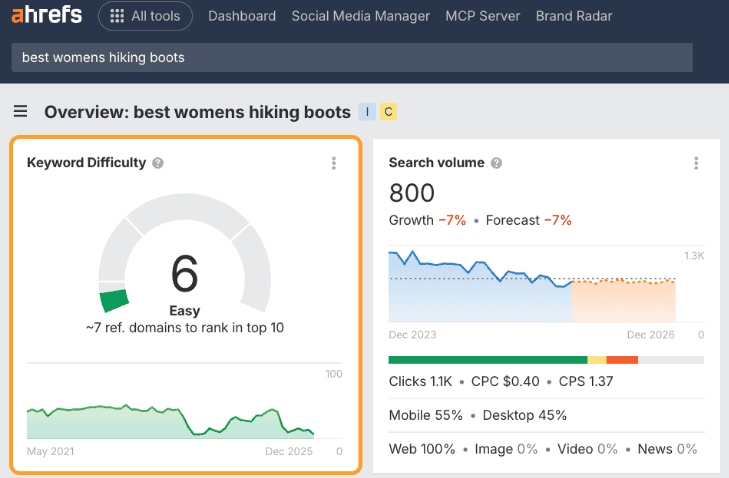
But what’s considered low competition? What’s a good keyword difficulty score to aim for?
If you ask all the SEO big wigs, they’ll tell you something different.
The truth is, there’s no universal “good” keyword difficulty score. It depends on your site’s authority and backlink profile.
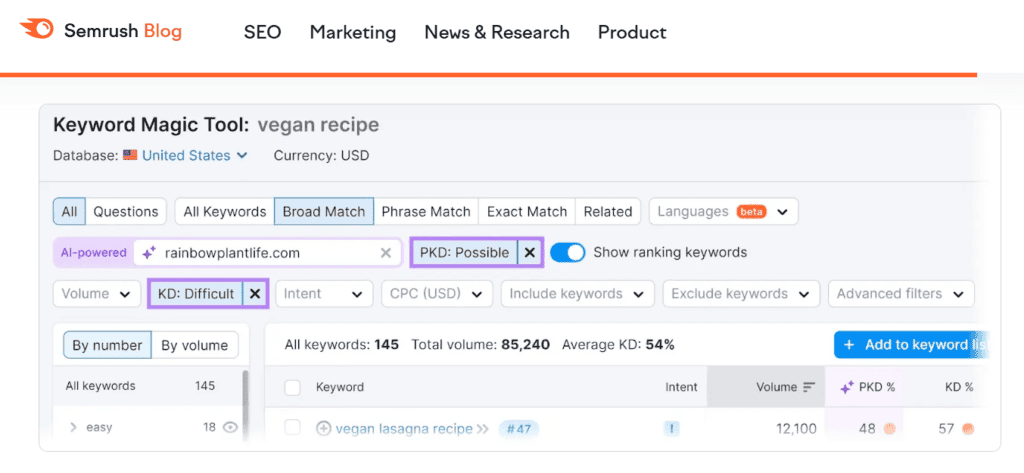
In Semrush, KD% shows how competitive a keyword is overall. And PKD% shows how competitive it is specifically for your domain. If a keyword has a high KD% but a low PKD%, it may look competitive in general — yet still be realistic for you to rank for.
I like Semrush’s keyword difficulty guide because it gives you these specific instructions:
“Use the “Personal KD%” filter set to “Possible” and the “KD” filter set to “Difficult.” This’ll highlight keywords where your website can rank more easily, despite overall competition.”
If your site is newer or has fewer backlinks, focus on lower-difficulty terms first. As your authority grows, you can gradually target more competitive keywords.
Again, there’s no set score here, but a reasonable aim is:
- 0–14 (Very Easy): Top choice for new sites. Higher likelihood of ranking without significant backlinks.
- 15–29 (Easy): Achievable for new sites with good content, though some competition may exist.
Long-tail question keywords are my personal favorite because they’re usually high-intent and very specific to your audience. And they can also trigger AI Overviews.
For example, longer searches beginning with “how,” “what is,” “why does,” “when should,” or “where can” are much more likely to generate an AI Overview. They signal a clear need for a synthesized, explanatory answer.
Once you’ve identified your primary keywords, choose the most relevant semantic keywords to target. These are also called secondary keywords or subtopics.
So, to sum up, after your keyword research, you should have a list of: Main topics and relevant subtopics. Put these in order from high priority to low priority. Hold onto these lists for Step 4.
Next, map your keywords to specific URLs based on funnel stage and intent. Assign only one primary keyword per page. Otherwise, you risk keyword cannibalization. (That’s when multiple pages on your site compete for the same keyword and essentially try to rank for the same intent.)
Step 4: Develop your content pillars and topic clusters
In Step 3, you mapped keywords to every page on your site. Now it’s time to organize your content so it’s easy for both users and search engines to navigate. This is where pillar pages and topic clusters come in.
But let’s be clear: Pillar pages are different from your regular pages.
What are content pillars?
A pillar page is a high-level page that covers a core topic in depth. It’s designed to establish authority and act as a central hub for a subject. While every page has a main topic, not every page is a pillar.
Your end goal is to create topic clusters. This is where your pillar page covers the broad core topic. And your supporting cluster pages dive into specific subtopics. Then you interlink them to create the topic cluster. Also called a content cluster.
(Note pillar pages are also called parent pages. Cluster pages are also called child pages.)
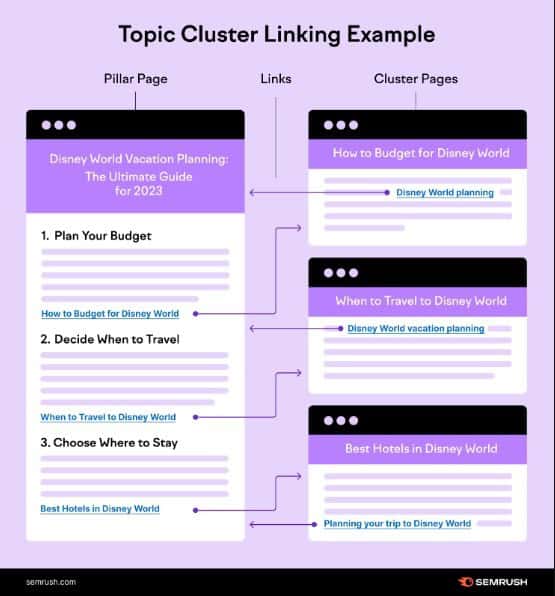
To build your pillar and cluster structure:
- Identify the top three to five main topics from your keyword research. You’ll target these in your pillar pages.
- Then identify the top three to five subtopics that relate back to each pillar from your research. You’ll target these in your cluster pages.
- Plan your internal links. (Link cluster pages to the pillar page and, where relevant, to each other.)
So to sum up, you’ll have three to five parent pages. And three to five child pages that link back to each parent page.
Here’s a super simple template you can use to organize this:
Parent page 1: <Main topic>
Child page 1: <Subtopic>
Child page 2: <Subtopic>
Child page 3: <Subtopic>
Parent page 2: <Main topic>
Child page 1: <Subtopic>
Child page 2: <Subtopic>
Child page 3: <Subtopic>
Parent page 3: <Main topic>
Child page 1: <Subtopic>
Child page 2: <Subtopic>
Child page 3: <Subtopic>
Parent page 4: <Main topic>
Child page 1: <Subtopic>
Child page 2: <Subtopic>
Child page 3: <Subtopic>
Parent page 5: <Main topic>
Child page 1: <Subtopic>
Child page 2: <Subtopic>
Child page 3: <Subtopic>
This is one of the BEST ways to signal topical relevance to search engines. The more topical relevance you have, the more authoritative your site will be.
Step 5: Create a content calendar and production plan
Once you know your pillars, clusters, and keywords, it’s time to plan your content management system.
Build your editorial calendar
Decide how often you’ll publish and stick to it. (E.g., 12 blog posts per month, three per week.)
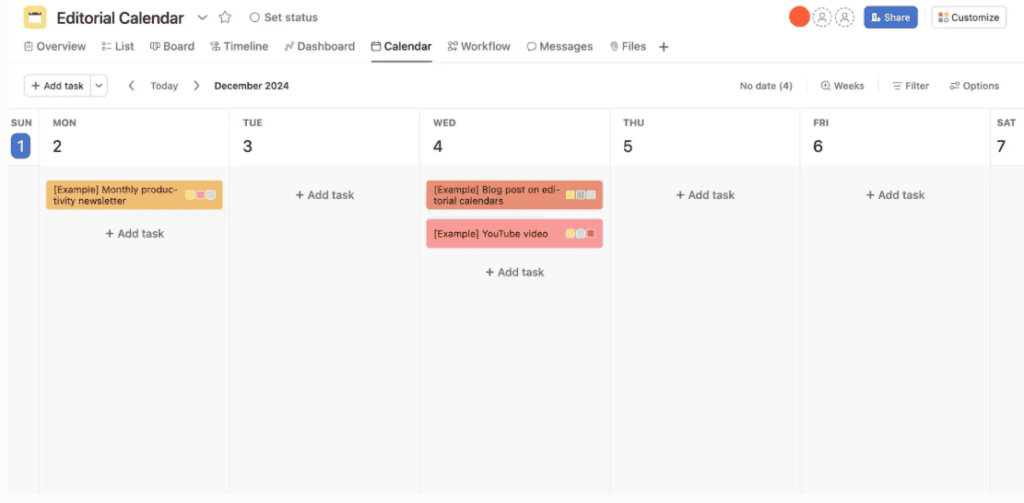
Look for seasonal opportunities or trending topics that tie into your core subjects.
Balance evergreen content (the stuff that stays relevant) with timely pieces that capitalize on trends or events. Plan at least three months out, but ideally six to 12 months out.
Plan content formats
Pick your asset types. (Blogs, guides, videos, infographics.) Different content formats appeal to different audience preferences. If your pillar page is a long guide, consider clusters like shorter blog posts, checklists, and calculators that link back.
Use your notes from Step 2 to guide you here.
Allocate resources for content creation
Figure out who’s creating what. You’ll need writers, editors, designers, and SEO specialists on your content team. (Either in-house or outsourced.) Make sure each person knows their deadlines and responsibilities. Give each person a content brief so they know what your expectations are.
Set realistic KPIs
Know what success looks like for each piece, and use this data to refine your plan over time. Track traffic, ranking factors, engagement, and conversions.
Step 6: Optimize and publish high-quality SEO content
Content creation is only half the battle. Optimization is how you reach the right audience and rank well.
Follow this content optimization checklist:
- Follow on-page SEO basics. Include your primary keyword in page titles, headers, and meta descriptions. Optimize URLs, images, and alt text. Use headings, bullet points, and short paragraphs to make content scannable. Use a semantic keyword tool, like Frase, to optimize each piece with relevant secondary keywords.
- Take content quality seriously. Focus on depth, originality, and expertise. Follow E-E-A-T principles and avoid fluff or duplicate content. Make every page useful, actionable, and trustworthy.
- Use multimedia and AI tools strategically. Include video content, charts, and images throughout your pages to improve engagement. Note: AI can help generate ideas or drafts, but human oversight is crucial. Your content should reflect real experience and insight.
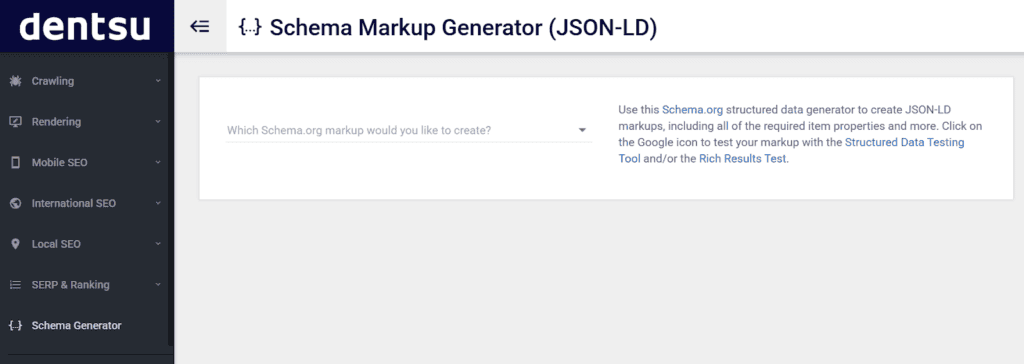
- Follow a technical publishing checklist. Implement schema markup, check mobile responsiveness, and ensure fast page speeds.
When these elements come together, your content becomes both valuable for readers and optimized for search engines.
Step 7: Monitor, measure, and refine your strategy
SEO is a continuous process.
You need to track performance, tweak what’s underperforming, and double down on what works.
Key metrics to track
Keep an eye on organic search traffic and keyword rankings.
Also look at engagement metrics like time on page, bounce rate, and conversions. These tell you whether your content is working or needs adjustments.
Essential SEO tools
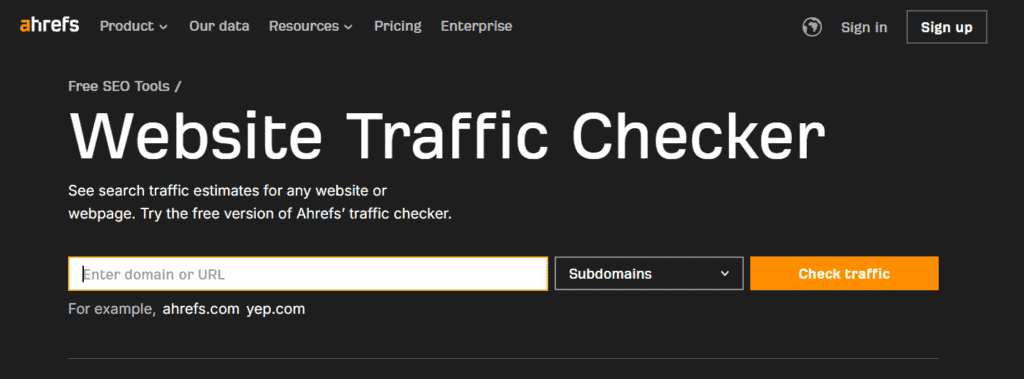
Rank-tracking tools and content performance dashboards make monitoring easier. (I like Semrush, Ahrefs, Moz, Google Analytics 4, and Google Search Console. Screaming Frog is also great for performing technical SEO audits.)
Refresh and update content
Identify pages that are outdated or underperforming. Grab your audit results for this. Update stats, add examples, and optimize for new keywords.
Iterate based on data
Analyze what’s working and what isn’t. If certain topics drive traffic and conversions, expand on them. If others underperform, adjust your approach. Good SEO requires a commitment to testing, learning, and improving.
Conclusion
A strong SEO content strategy requires consistency and long-term commitment.
To recap, follow these 7 steps to take control of your content and rankings:
- Conduct comprehensive SEO and content audits
- Define your target audience and search intent
- Perform strategic keyword research
- Develop content pillars and topic clusters
- Create a content calendar and production plan
- Optimize and publish high-quality SEO content
- Monitor, measure, and refine your strategy
Stick to the plan, track results, refresh underperforming pages, and expand on what works. This is how you create an SEO content strategy your competitors will envy.
Want more high-level SEO guides like this one? Subscribe to SEO Power Plays for ongoing insights that keep your strategy sharp.