Most B2B companies know they need content. But choosing the wrong B2B content marketing agency can set you back 6 to 12 months. Not just in spend, but in lost rankings, missed traffic, and a pipeline that never shows up.
There are hundreds of agencies that call themselves B2B content specialists. Scroll through a few sites, and they start to sound the same. They do have case studies. But that doesn’t tell you who can actually drive results and who’s just repackaging generic content services.
That gap is where most teams get stuck. It’s not about finding an agency. It’s about finding the right one.
This guide will help you do that. You’ll get a clear way to evaluate agencies, the key questions to ask before you sign, and the red flags that should make you walk away early.
Highlights
- Choosing the right B2B content marketing agency can prevent months of lost rankings, traffic, and pipeline due to poor strategy and generic content.
- A credible B2B content marketing agency focuses on strategy, SEO, and buyer understanding, not just producing blog posts or content volume.
- Evaluate agencies based on industry expertise, SEO capability, content quality, and how they tie content to real business metrics.
- Ask clear questions before signing to understand their process, how they ensure accuracy, and how they measure success over time.
- Watch for red flags such as high-volume promises, vague metrics, generic samples, and a lack of connection between content and your sales process.
What a B2B content marketing agency actually does
A B2B content marketing agency does more than write articles. It connects content to business goals. That means planning, targeting, and measuring what works. The focus isn’t just output. It’s building content that supports growth over time.
Beyond blog posts
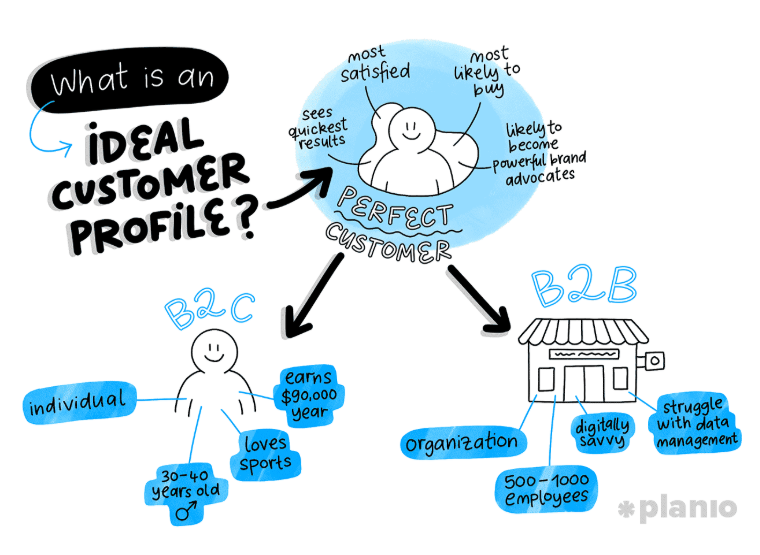
A real B2B agency handles strategy, not just execution. They start by getting clear on your ideal customer profile (ICP). Then they map content to each stage of the buyer journey. After that, they choose the right channels and set up a way to measure results.
The output isn’t limited to blog posts. You might see:
- Thought leadership pieces
- Email nurture sequences
- Long-form SEO content
- Case studies
- White papers
- Social content
These types of marketing content formats support different funnel stages and work together over time.
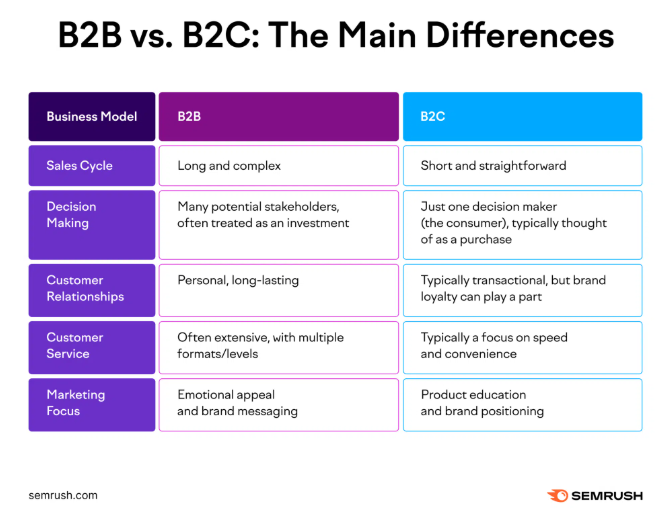
Why B2B is different from B2C content
B2B content works on a longer timeline. Sales cycles can take weeks or months. So content needs to support multiple stages, not just push for quick conversions.
You’re also speaking to more than one person. There’s the economic buyer, the technical evaluator, and the end user. Sometimes all of them read the same piece.
Trust and credibility are higher in B2B than in B2C. Buyers are making decisions tied to real budgets. Generic content doesn’t hold up in that kind of decision.
The criteria that actually matter when evaluating agencies
Not all content marketing agencies are equal. Some focus on output. Others focus on results. These criteria help you see the difference before you move forward.
Industry and audience expertise
The agency should show real familiarity with your industry. Not surface level. Ask to see content they’ve created for companies in your space or a similar niche.
They should also explain your ICP back to you. What problems do they face? How do they evaluate vendors? What objections come up most?
This is key. According to a McKinsey report, 71% of buyers expect experiences that feel tailored to their needs. If the agency cannot do that, the content will feel off.

SEO capability
Strong B2B content needs to rank. Otherwise, it sits there with no reach. Ask how the agency handles keyword research and how they turn that into content.
You should also ask how they handle topic clustering. Do they treat each piece on its own, or build a larger structure around it?
Then look at how they measure organic performance over time. If organic search isn’t part of the plan, that’s a significant capability gap for most B2B companies.
Content quality and editorial standards
Ask for sample work. Look for clear examples, strong arguments, and real insight. It shouldn’t feel like generic advice that could apply to any company in any industry.
Ask about their editing and QA process. How many rounds does each piece go through? Who’s responsible for checking factual information?
Reporting and measurement
A credible agency connects content performance to business metrics. That includes organic traffic, pipeline attribution, and lead quality. Not just pageviews or word counts.
Ask how often they report and what tools they use. Monthly reporting with clear KPIs should be the baseline expectation.
You should always see what’s working, what’s not, and what needs to change next.
Questions to ask before you sign a contract
Before you commit, ask questions. This is where you see how the agency thinks, not just what they promise.
Relevance comes up fast here. Gartner research found that 73% of buyers ignore vendors whose messaging doesn’t feel relevant to them. If the agency cannot explain how they avoid that, it will show in the work.
Question 1: Who will actually be writing our content?
Get clear on who is behind the work. Some agencies use in-house writers. Others rely on freelancers. Both can work, but the setup affects consistency over time.
It also tells you who owns the work. If something feels off, you need to know who’s responsible and how issues get fixed.
Question 2: How do you handle subject-matter expert interviews and ensure technical accuracy?
B2B content often comes down to details.
Ask how they gather those details. Do they speak to subject matter experts? How do they check what is correct before publishing?
You want to hear a clear process, not a general answer.
Question 3: Can you show us the process you use to turn a topic into a finished piece of content?
Ask them to walk you through it from start to finish.
How do they research the topic? What happens after the first draft? Where do edits and reviews come in?
This gives you a better sense of how structured their work is and how much attention goes into each step.
Question 4: What does success look like at 3 months, 6 months, and 12 months? What metrics will you report on?
Ask what results should look like at 3, 6, and 12 months.
Then look at the content marketing metrics they track. You should hear about traffic, pipeline, and lead quality. Don’t just focus on how much content they publish.
Question 5: How do you stay current with algorithm changes and shifts in B2B buyer behavior?
Search changes, and so does a buyer’s behavior.
Ask how they keep up with algorithm updates and how B2B buyers evaluate vendors today. You want to know they’re paying attention and adjusting when needed.
Question 6: What happens if a piece of content doesn’t perform? How do you iterate?
Not every piece will land. That’s normal.
What matters is what happens next. Do they revisit the topic, update the content, or change direction?
A strong agency will have a clear answer and a plan they can explain.
Red flags to watch out for
Some issues show up early if you know what to look for. These are common signs that an agency isn’t thinking beyond output.
They lead with volume
“We’ll produce 20 blog posts per month” sounds productive, but it doesn’t tell you which topics they’ll cover or why they exist. Without a clear plan behind each piece, you end up with content that fills space but doesn’t move rankings or pipeline.
Vague or vanity metrics
Impressions and pageviews can look good in a report, but they don’t show real impact. If those numbers aren’t tied to leads, pipeline, or buyer intent, they’ll be hard to act on. You want to see how content connects to actual business outcomes.
No interest in your sales process
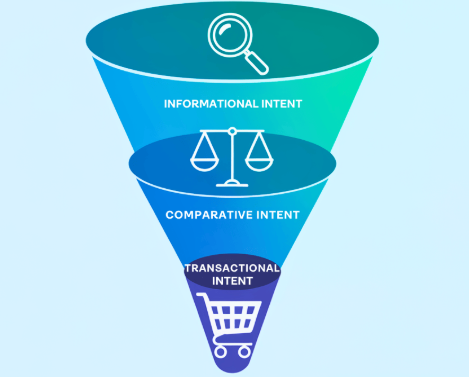
A strong agency wants to know how deals move from first touch to close. What triggers interest? What slows buyers down? If they skip this, they’re working in isolation. The content may look fine, but it won’t support how your team sells.
Overly fast timelines
Quality B2B content takes time. There’s research, input from subject matter experts, and rounds of review. Agencies promising publish-ready articles in 24–48 hours are either templating heavily or skipping quality checks.
Generic samples
If every sample reads the same, that’s a sign. Real B2B content reflects a specific audience, problem, and context. When it feels broad, it usually means the agency isn’t digging into the details that make the content useful.
Find a B2B content marketing agency worth keeping
The right B2B content marketing agency isn’t just there to produce content. They act as a partner. They:
- Understand your buyers
- Think in terms of pipelines
- Track results you can tie back to growth
That difference shows up over time in how content connects to real problems and supports deals, not just traffic.
Most agencies will offer a discovery call or an audit. Use those conversations to apply the evaluation criteria from this guide and see how they respond.
If you want to keep learning, explore more B2B marketing and SEO resources at seopowerplays.com and subscribe to updates.