
Most advice about SEO strategy for B2B SaaS repeats the same recommendations. Publish more blog posts, target high-volume keywords, and build backlinks. That can help. But it doesn’t explain how big SaaS brands grow organic traffic over many years. Software buyers take a different path. Your SEO plan should follow it.
This playbook draws on uSERP’s work with monday.com. That work ran from before the IPO into its years as a public company. You’ll learn how to group keywords, put product-led pages first, match your publishing pace to your authority, and plan each stage of the program.
Highlights
- Base your B2B SaaS SEO strategy on the buying journey. Search volume alone isn’t enough.
- Put product-led pages first. They help buyers compare, judge, and choose your software.
- Match your SEO priorities to your growth stage. Don’t copy big enterprise rivals.
- Build systems that grow over time with clear keyword structure, technical SEO, and steady work.
How B2B SaaS SEO is different from everything else
B2B SaaS SEO works differently from ecommerce, publishing, or local SEO. Software buyers spend more time on research before they buy. That changes how you plan content, pick pages, and measure success.
Three differences shape the strategy.
Longer sales cycles, different keyword architecture
Buying software rarely happens after one search. 6sense’s 2025 buyer research found that B2B buyers finish about two-thirds of their journey before they talk to sales. By then, many have already picked a vendor. Your keywords need to support each step, from first research to comparison and purchase.
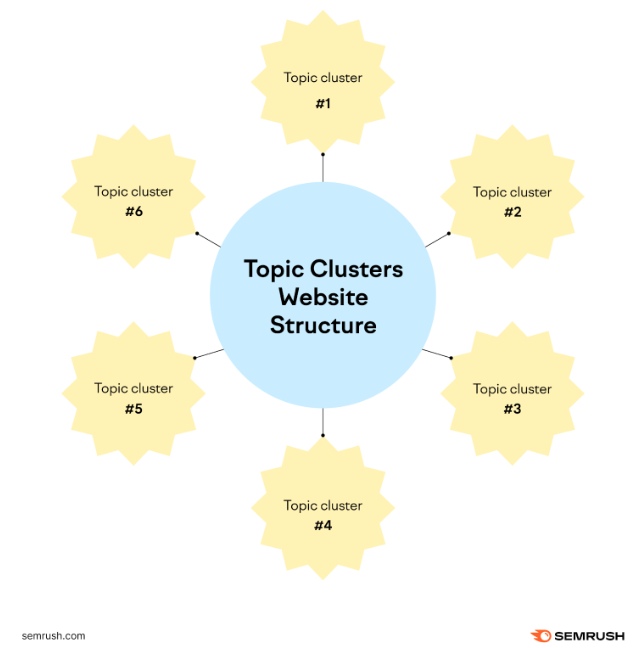
Content clusters (also called topic clusters) keep prospects on your site. They find the next answer with you instead of somewhere else. Someone who searches for “CRM workflow examples” may later compare CRM tools and then ask for a demo. Let search intent guide which keywords you pick. A keyword with fewer searches can still bring better buyers.
Product-led content and bottom-of-funnel prioritization
Informational content helps people understand a problem. Commercial content helps them choose a solution. These page types often bring in more pipeline than blog posts alone:
- Product pages
- Integration pages
- Alternative pages
- Comparison pages
- Templates
- Use cases
Product-adjacent content links those stages. Say a buyer lands on a project planning template. When they’re ready to judge software, they can move on to a comparison page or product page.
Ecommerce sites often rely on category pages for sales. SaaS companies need a wider set of commercial pages. Software buyers compare features, integrations, and use cases before they decide.
ICP-fit traffic vs. raw traffic volume
High traffic looks good in a report, but it doesn’t guarantee revenue. SEO should attract people who can influence or approve a software purchase, not just increase visits.
Say a keyword gets 300 monthly searches from decision-makers. It may bring more pipeline than one with 10,000 visits from students or job seekers.
Fit with your business matters more than search volume. Demo requests, qualified leads, and pipeline are stronger indicators of SEO success than sessions alone.
The monday.com case study: From pre-IPO to public markets
uSERP supported monday.com’s SEO from before its IPO into its years as a public company. The monday.com SEO case study reports a 77.84% increase in traffic, plus 23,543 new organic keywords and 825 new first-page rankings.
That long view showed how priorities shifted as the product, market, and company grew. The lessons here come from working through those changes, not from one short campaign.
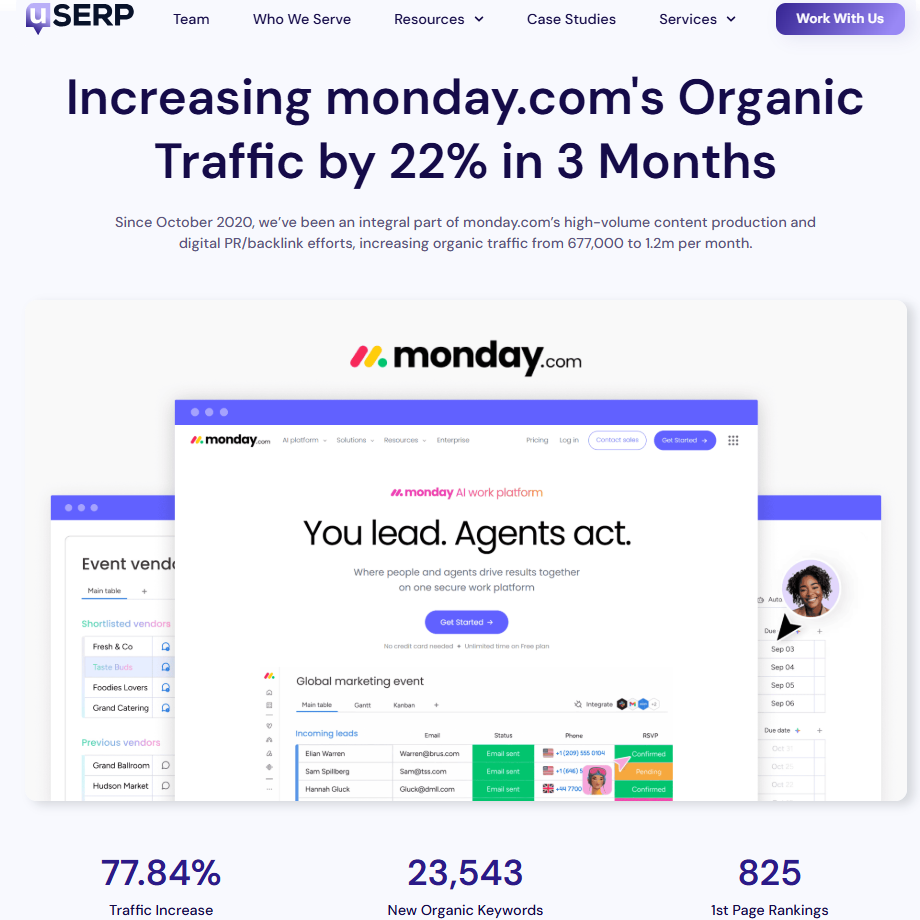
Those results didn’t come from a fixed playbook. That’s because enterprise SaaS SEO isn’t something you build once and leave alone. Priorities change as the business grows.
- New products create new search opportunities.
- Competitors publish new content.
- Customer questions change over time.
Each stage calls for new choices about where to spend time and money. Long-term goals still need to stay in view.
The monday.com team came to the same view. Ben Kazinik, monday.com’s senior SEO manager, explains it in monday.com’s guide to modern SEO planning, “Strategic SEO planning connects every search-related activity, from technical fixes to content creation, directly to shared business outcomes.”
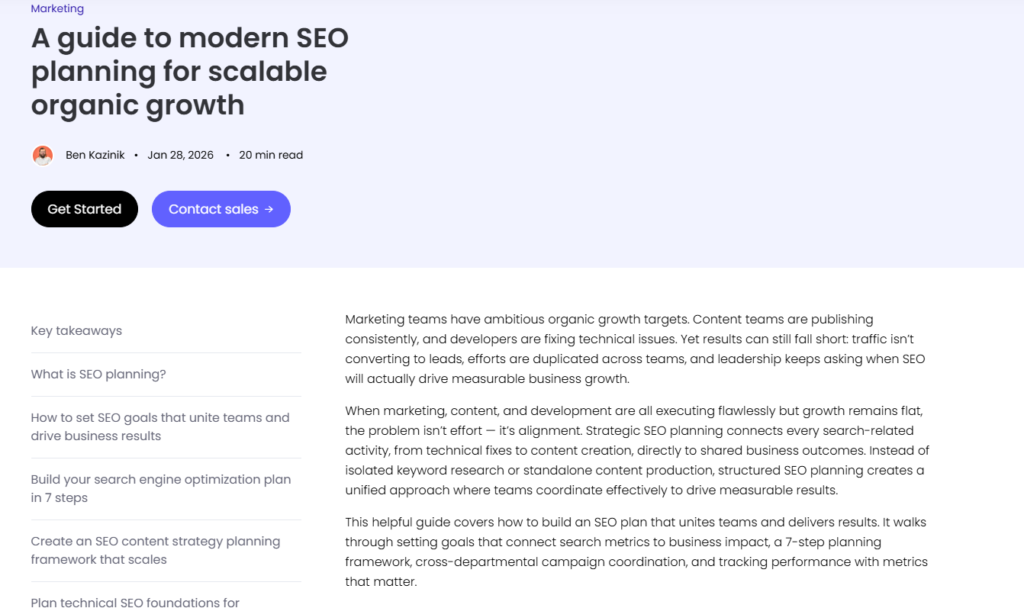
Organic growth works best when it serves wider business goals. It shouldn’t run as a separate marketing channel.
Say you enter a new product category. You may need:
- New comparison pages
- Product-led content
- Supporting educational resources
The tactics changed as monday.com grew. The core principles stayed the same. They form the playbook in the rest of this guide.
The core pillars of an SEO strategy for B2B SaaS
Long-term organic growth comes from systems that support each step of the buying journey.
The pillars below were the base of that approach. They kept supporting growth as monday.com expanded.
Keyword architecture by funnel stage
Every keyword has a different purpose. Some terms help buyers understand a problem. Others help them compare software or choose a vendor.
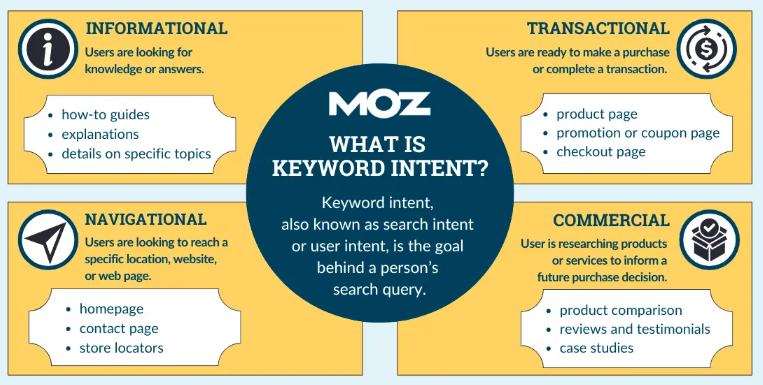
A strong SEO content strategy groups keywords by awareness, consideration, comparison, and purchase intent. That way your site supports every step of the buying journey.
A visitor may start with a guide about CRM workflows. Next, they read a CRM comparison, then visit a product page. Internal links connect those pages and help buyers keep researching.
Content velocity matched to domain authority
More content doesn’t mean better results. The right pace depends on your site’s authority and how much quality work your team can produce. A steady, realistic schedule usually beats a plan that stretches your team too thin.
For example, a new SaaS company may start with a few high-intent pages. Then it can add supporting topics. As the site gains authority, it can go after wider keyword groups and publish more without losing quality.
Product-led and product-adjacent pages
Product-led content helps buyers evaluate your software before they speak to sales. It includes:
- Feature pages
- Integrations
- Templates
- Workflows
- Comparison pages
These answer buying questions as people shop.
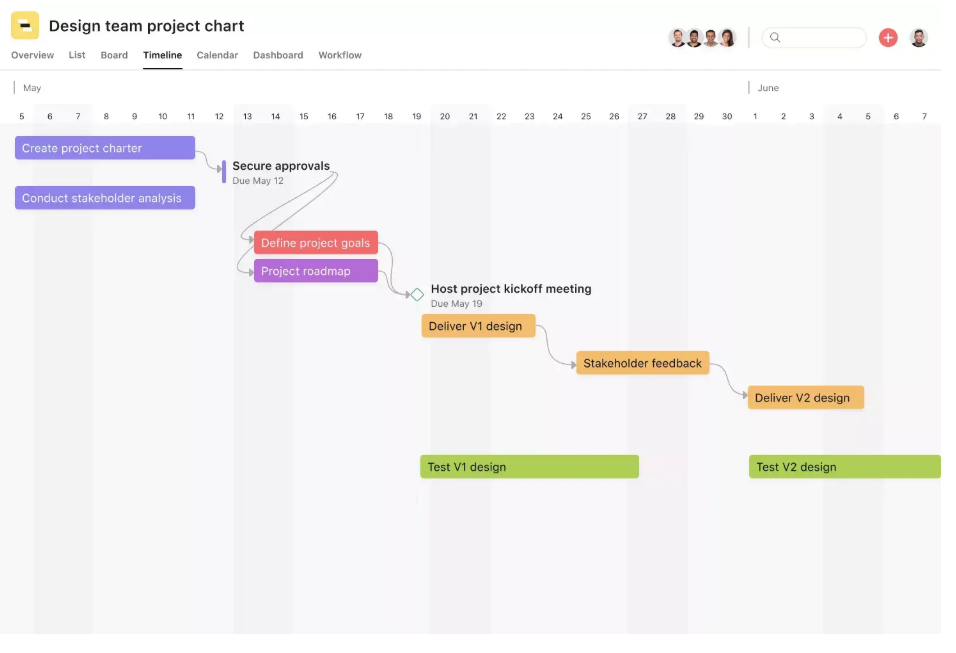
Product-adjacent content supports those pages. It answers the questions buyers ask first. Take someone who searches for “how to manage remote projects.” They may read a guide first. Then they compare project management tools and visit a product page.
That’s a natural path from research to your product.
Technical SEO foundations
Your content won’t rank if search engines can’t reach or read it. Technical SEO helps remove those barriers. That covers crawlability, indexing, internal links, Core Web Vitals, and structured data. It also covers a site structure that makes key pages easy to find.
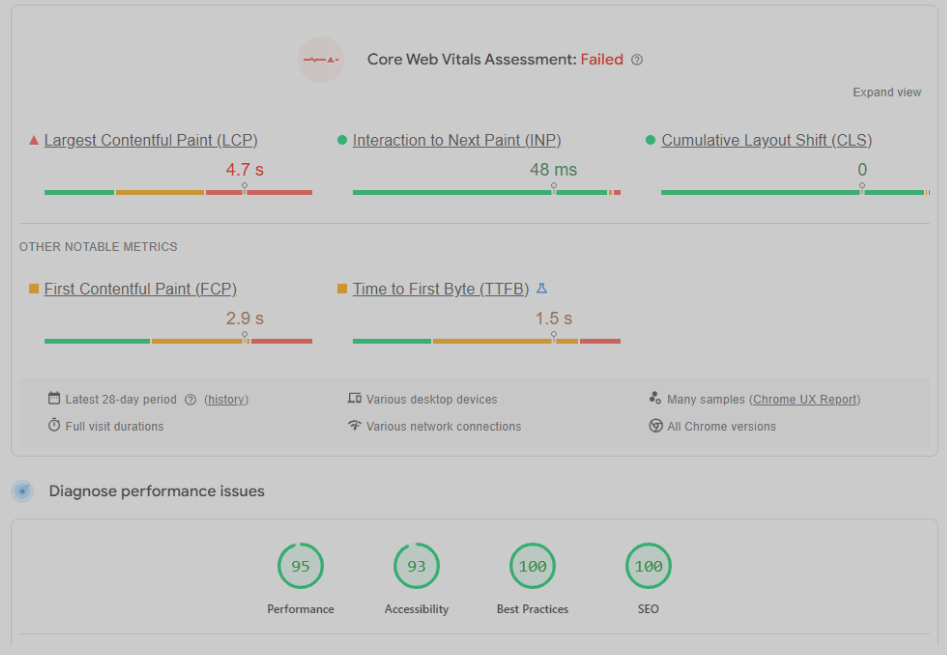
For example, a comparison page with no links from related content may get less attention than it deserves. Technical SEO supports the rest of your strategy. It helps valuable pages get crawled, indexed, and shown in search results.
As your site grows, regular technical audits catch problems before they slow growth.
How to sequence your program by stage
A successful SEO strategy for B2B SaaS isn’t built all at once. The right priorities depend on where your company is today. A seed-stage startup needs a different SEO plan than a mature SaaS business.
Build the right systems first. Then expand them as you grow.
The table below shows how priorities change at each stage.
| Company stage | Primary SEO objective | Priority content | Link strategy | Expected timeline |
| Seed | Validate product-market fit | Core commercial pages | First authoritative backlinks | 6–12 months |
| Series A | Expand keyword coverage | Commercial pages + educational clusters | Consistent authority building | 6–12 months |
| Series B+ | Build market leadership | Product, industry, and international content | Digital PR + original research | Ongoing |
Seed stage
At this stage, the goal is to prove your product solves a real problem. You also need to show that people search for it. Focus SEO on a few commercial pages and high-intent keywords that support product-market fit.
A CRM startup may begin with product, comparison, and integration pages for its core audience. Build a strong technical base early so new content has solid ground to grow on. At the same time, earn your first strong backlinks to build trust.
Series A
Once your core commercial pages perform, cover the questions buyers ask before they compare software. Educational content reaches prospects earlier in their research. It also supports your commercial pages through internal links.
For instance, a company may publish guides about lead management, sales forecasting, and pipeline management that connect to comparison and product pages.
Publish more often as your resources grow. Strengthen internal links and improve tracking. That way you can see which content drives qualified leads and pipeline.
Series B and beyond
At this stage, the focus moves from building coverage to spreading it across the business. Grow your content across products, industries, and countries. Keep building topical authority in each category.
A project management platform may build pages for healthcare, construction, and marketing teams. It may also expand into new countries. Support that growth with digital PR and original research that earns authoritative backlinks. Keep investing in technical SEO and automation as the site grows.
The link building strategy that actually works for SaaS
SaaS companies don’t need thousands of backlinks from generic outreach. They get more from resources that people choose to cite.
Those assets earn links over time. They also build brand and topical authority.
Digital PR and original research
Original research gives other websites something they can’t find elsewhere. Think:
- Surveys
- Proprietary product data
- Benchmarks
- Annual industry reports
These give journalists, bloggers, and trade outlets new facts to cite in their own work.
According to Muck Rack’s 2026 journalism research, 40% of journalists value original data or research in a pitch. That gives SaaS brands a good way to earn coverage and editorial backlinks.
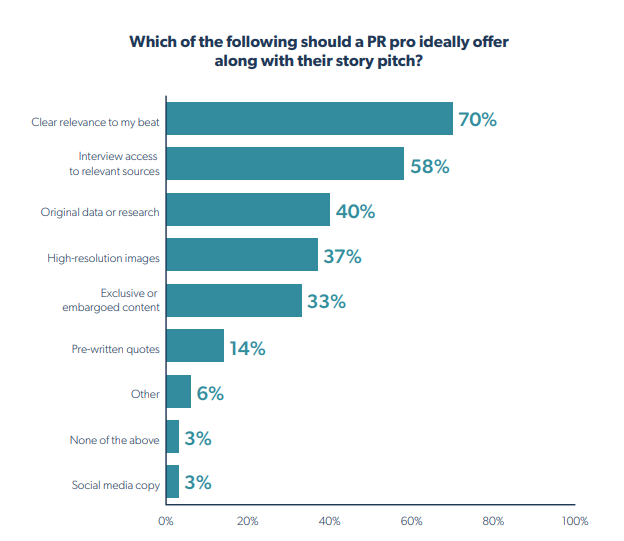
You could publish a yearly sales benchmark report from anonymized customer data. Writers who cover sales trends can cite your findings instead of repeating old stats. That earns editorial backlinks because the research offers something new, not because someone asked for a link.
Category-defining content
Some pages become resources people return to and cite for years. These pillar pages often include original frameworks, stats, templates, and full guides that cover a topic from start to finish.
You could publish a full resource hub on project planning, workflows, templates, and best practices. As more people cite that guide in articles and newsletters, it keeps earning backlinks. It also builds topical authority across related keywords.
Build an SEO strategy for B2B SaaS that compounds
Lasting SEO doesn’t come from one tactic or one big campaign. It comes from systems that support long-term growth. Clear keyword structure, product-led content, and the right order of work create an SEO program that grows with your business.
Don’t measure your SEO against companies that are years ahead. Build the program your business needs today. Then expand it as your products, authority, and resources grow. That’s how organic growth compounds.
Want more SEO insights? Subscribe to SEO Power Plays for proven frameworks, real examples, and practical tactics. Use them to grow organic traffic, qualified pipeline, and revenue.
FAQs
What makes B2B SaaS SEO different from ecommerce SEO?
B2B SaaS SEO supports a longer, more complex buying process than ecommerce SEO. Buyers compare vendors and bring in teams like finance, IT, and operations. They often set their needs before they contact sales.
So SaaS companies need content for every stage of the journey. That runs from educational guides to comparison, integration, and product pages that help buyers evaluate.
How long does B2B SaaS SEO take to produce results?
The timeline depends on your starting point. A company with strong domain authority and a mature content program can gain ground faster. A new SaaS business in a crowded market will take longer.
Your publishing cadence, link building efforts, and investment in technical SEO also affect how quickly new pages gain visibility and begin driving qualified traffic.
What content should SaaS companies publish first?
Start with the pages that help buyers evaluate your product. Product pages, feature pages, comparison pages, integration pages, and use case pages target people who are closer to making a purchase.
Once those pages are established, expand into educational content that answers earlier questions and guides prospects toward your commercial pages through internal links.