
If you’re wondering how to rank on ChatGPT, start with a reframe. ChatGPT does not show a fixed, ordered list of pages the way Google does. It writes an answer and cites a few sources that back it up.
For marketers and SEO pros, the goal shifts. You stop chasing one position and start raising your odds of being cited. This guide shows you how to let AI crawlers in, keep content fresh, and make it easy to pull from. You’ll also learn to build brand authority and back key claims with solid proof.
Highlights
- AI search cites sources instead of displaying ranked results.
- AI crawlers must be able to access your content before it can be considered.
- Fresh, well-structured content is easier for LLMs to extract and reference.
- Brand authority and trusted citations increase the likelihood of being cited.
- Small technical and editorial improvements can make content more AI-friendly.
How to rank on ChatGPT: Think citations, not positions
Google presents users with an ordered set of search results. ChatGPT Search generates an answer and may cite sources within it. Unlike Google, AI search has no fixed rank. The cited sources can change from one session or query to the next.
Your visibility depends on whether ChatGPT picks your page as supporting evidence. A set position is not the point. Think in terms of citation probability. No single “ChatGPT ranking factor” guarantees that selection.
The next five steps cover practices that can improve your chances of being retrieved and cited.
Step 1: Make sure AI crawlers can access your content
Before ChatGPT Search can use your content, OpenAI needs permission to fetch it. That takes the right crawler rule, not a blanket pass for every OpenAI bot.
According to OpenAI’s crawler documentation, OAI-SearchBot is used to surface websites in ChatGPT Search. GPTBot crawls content that may help train OpenAI’s models. The two rules are separate. A site can allow search access and still block training use.
Check your robots.txt file after CMS moves, security updates, or plugin changes. These can add crawler blocks that you won’t notice anywhere else on the site.
How to update robots.txt for OAI-SearchBot and GPTBot
Your robots.txt file sits at the root of your domain. Enter yourdomain.com/robots.txt in a browser to see the live version.
If you manage the site, open the file through your hosting account, CMS, or file manager. Look for rules that block OpenAI bots or all crawlers.
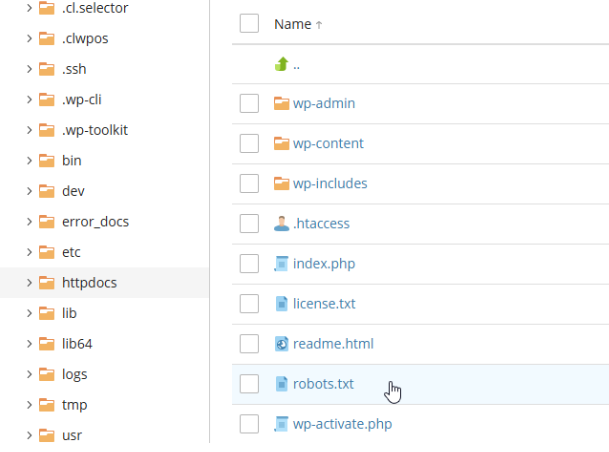
To allow page content to appear in ChatGPT Search answers, add:
User-agent: OAI-SearchBot
Allow: /
If your company also lets OpenAI crawl content for model training, add:
User-agent: GPTBot
Allow: /
These rules do different jobs. You can allow OAI-SearchBot without allowing GPTBot. And allowing GPTBot alone won’t get a page into ChatGPT Search answers.
Save and publish the file, then reload yourdomain.com/robots.txt to confirm that the rules appear. OpenAI notes that changes can take about 24 hours to reach its search systems.
Also check for broad Disallow rules, firewall rules, or security plugin settings. Any of these can override the allow rule.
What Bing and other AI crawlers look for
OpenAI’s bots are not the only user agents worth checking. Search engines and other AI tools use their own crawlers and indexes. Keep key pages crawlable, indexable, and in plain HTML.
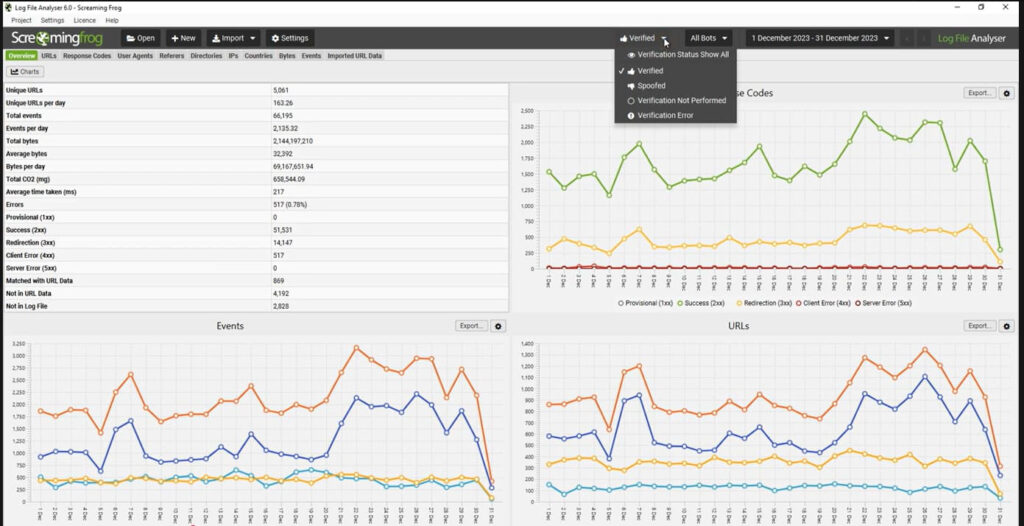
Some copy only shows up after JavaScript runs in the browser. If so, test the rendered page. Don’t assume every crawler sees what a user sees. If you already audit technical SEO, add server log checks. They confirm that OAI-SearchBot, GPTBot, Bingbot, and other bots can reach your key pages.
Step 2: Publish and update content within 30 days
AI systems look for information that is current. Freshness signals help them spot content that has been reviewed and updated.
In fact, Ahrefs’ study found that AI assistants tended to cite fresher pages than Google’s organic results did. So fresh content may have a better chance of being cited.
This doesn’t prove that updating a page every 30 days will earn more citations. Still, a monthly review helps you catch old stats, screenshots, examples, and links before they weaken the page.
Set a review schedule for your top evergreen pages. Regular updates keep them in the running for future AI citations.
How freshness signals affect AI citation probability
A meaningful update adds new value to the page. For example, you might:
- Replace outdated statistics
- Add a recent example
- Update screenshots after a software release
- Cite newer research
After those changes, update the visible “last updated” date and the page’s dateModified markup. Don’t change the date for small edits that add nothing new.

Pages left alone for a long time may have old facts or broken links. So AI systems may pass them over when newer sources cover the same topic.
The fastest content types to refresh
Some pages are easier to refresh because new information becomes available regularly. These can include:
- Statistics roundups
- Industry guides
- Software tutorials
- Product comparisons
- FAQ pages
- Resource hubs
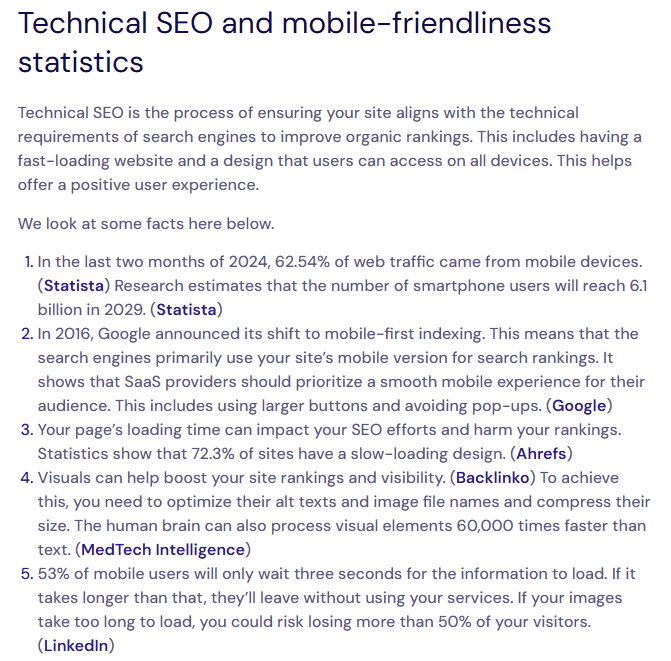
For example, you could update a product comparison when new features, prices, or integrations come out. You could also expand your FAQ SEO content with new questions customers ask on Reddit, industry forums, or your support channels.
Step 3: Structure your content for extractability
AI systems find answers more easily when they are complete. Don’t make the system piece together bits from different parts of your page. A self-contained answer is much easier to extract.
Use clear formatting so the system can quickly identify your point. Always provide the answer first. Then, follow up with supporting details, evidence, and examples.
Answer-first writing at the section level
Once you’ve written a clear heading, answer it in the opening sentence. Then add details, context, and an example.
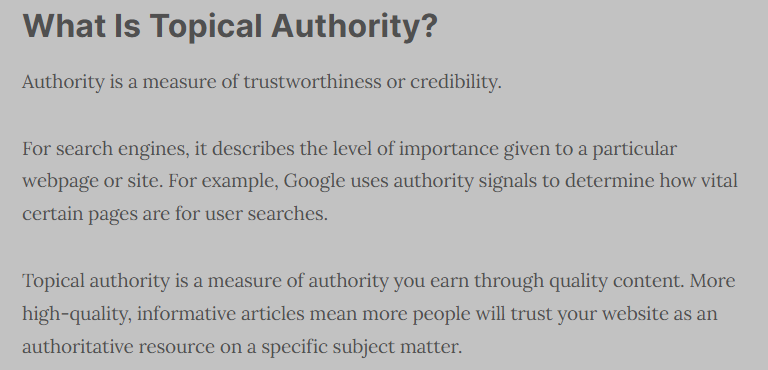
For instance, if the heading asks, “What is topical authority?” define it first. Then explain how it helps a site build expertise. Keep paragraphs short. Don’t bury definitions or key points deep in the section.
Self-contained sections and FAQ schema
Write each section so it stands on its own. That way, readers and AI systems can follow it without extra context.
For example, an FAQ should answer the full question. It shouldn’t say “As explained above” or send readers to another section. Add valid FAQPage schema when the page truly has questions and answers. Treat it as extra context for search engines, not a proven ChatGPT citation factor.
Using headings as direct question-and-answer pairs
Write headings that match the questions people ask in search engines and AI tools. Then answer the question in the first sentence below the heading.
Use “How do you rank on ChatGPT?” instead of “Winning the AI search race.” This creates a clean question and answer pair. Readers and AI tools can grasp it without the rest of the article.
Step 4: Build branded authority through citations and mentions
Brand authority is more than just backlinks or your Domain Rating. It also counts how often experts, videos, and industry sites mention your brand.
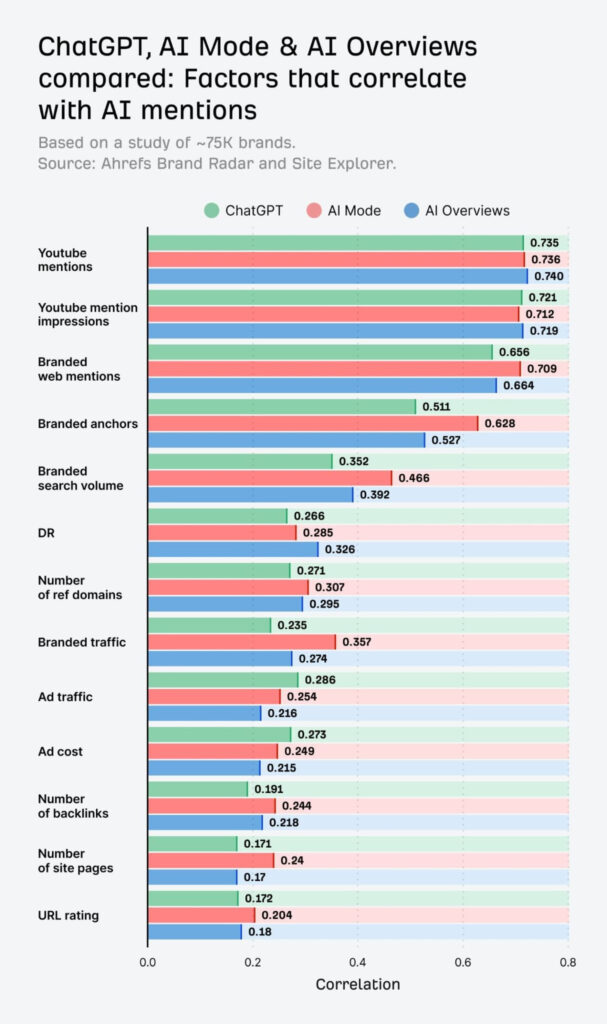
Ahrefs’ research on 75,000 brands shows that web mentions are linked to better visibility in AI tools like ChatGPT. In ChatGPT, web mentions matter much more than Domain Rating. This doesn’t prove that mentions cause visibility. Still, it’s a reason to focus on being known online, not just on old SEO scores.
Why branded domains get cited more often
Familiar brands are easy to spot because they’ve shown up in many trusted places over time. Each mention builds that reputation and ties the brand to a topic.
Take a cybersecurity company that publishes its own threat data and gives expert quotes to security outlets. As those mentions build up, the company becomes known for its expertise. That can raise the odds that its content is picked as supporting evidence.
How to earn mentions that strengthen branded authority
A reliable way to earn brand mentions for SEO is to publish information other people want to reference.
Create original research, statistics pages, and data studies that others can cite. Share expert quotes when journalists or industry sites need them.
For example, if your survey uncovers a new trend, other websites may cite your findings when covering the topic. You can also build recognition through interviews, podcasts, and conference talks that show your expertise.
Step 5: Cite authoritative external sources
Trusted citations make an article easier to check. They show where a stat or conclusion came from. They also let readers look at the original evidence and method.
Don’t treat these links as a way to “pass authority” back to your page. Their value is as proof. Each citation ties a claim to the source behind it.
Review those sources over time. Replace old ones when newer research or official guidance comes out.
The citation-lift effect
Content backed by evidence seems more likely to earn AI citations than unsupported claims. AirOps’ 2026 research analyzed 217,508 retrieved pages across 7,500 commercial prompts. Early discovery pages with five to seven stats were 20.3% more likely to be cited.
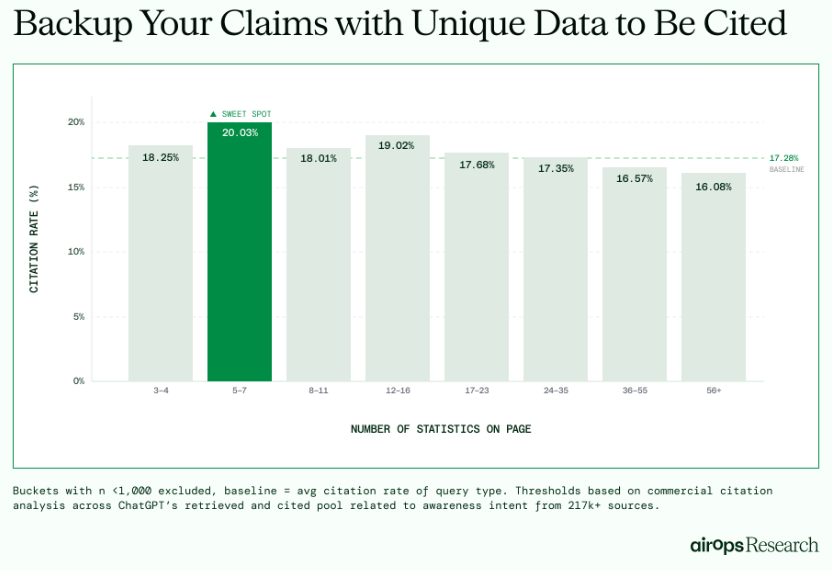
That doesn’t mean stats or outbound links cause AI citations on their own. Instead, the research points to a link between backed-up content and citations.
So, if you’re writing a link building statistics and trends page, back your claims with recent industry reports. Whenever you can, use current research so your evidence stays up to date.
Which types of sources to link to
When choosing sources, pick groups that publish original data and explain how they got their results. Good examples include:
- Government publications
- Academic research
- Original industry reports
- Official documentation
- Reputable company research with a transparent methodology
For instance, if a company publishes an annual benchmark study, link to the original report instead of another article summarizing the results.
Conclusion: How to rank on ChatGPT by earning citations
ChatGPT visibility starts with a different goal: make each page easy to find, pull from, check, and cite.
Begin with one high-value evergreen page. Check crawler access and refresh old evidence. Move the direct answer to the top of each section. Replace unsupported claims with primary sources.
Then repeat the audit across the pages closest to revenue. For more research-backed SEO and AI search guides, subscribe to SEO Power Plays.
FAQs
Can you rank in ChatGPT?
Not in the same way a page ranks in Google. ChatGPT doesn’t give every user a fixed, ordered list of pages. It generates an answer and may cite selected sources that support it.
When people ask how to rank on ChatGPT, a better goal is to raise the odds that it finds and cites their content.
Does ChatGPT use Google rankings?
A high Google ranking does not guarantee a ChatGPT citation. Strong organic pages often share traits that help AI visibility, such as relevance, authority, clear structure, and solid sources.
Treat Google performance as a related signal, not a must. A page can earn a ChatGPT citation without a top spot in regular search results.
How often should I update content for AI search?
Review your top evergreen pages on a set schedule, and whenever new information comes out. Focus on real updates, such as adding recent research, refreshing examples, or replacing old sources. Those changes keep your content current for AI search.
Don’t change the date without a real revision. The goal is an accurate answer, not a fake freshness signal.