
SEO typically takes 4 to 12 months to produce measurable results. The exact timeline depends on three factors:
- Your website’s authority
- The keywords you target
- The type of content you publish
Some sites see early signs of progress within a few months. Others need more time before rankings and traffic grow.
In this post, we answer “how long does SEO take to work?” You’ll learn what changes the timeline and what progress looks like at each stage. You’ll also see how to measure success before traffic, leads, and revenue grow.
Highlights
- Expect SEO results in 4–12 months. Adjust that based on your site’s authority, keyword competition, and content type.
- Measure progress through indexing, impressions, and ranking growth before traffic and leads increase.
- Avoid judging SEO against PPC-style timelines or arbitrary deadlines.
- Treat SEO as a long-term investment. It compounds when you publish often and keep expectations real.
How long does SEO take to work? The standard answer
You’ll often hear that SEO takes 4 to 12 months to produce results.
That’s a useful benchmark, but it doesn’t tell the whole story.
One company may launch a brand-new website with no authority or backlinks. Another may already have years of published content and a trusted domain. Even if both invest the same budget, their results won’t arrive at the same pace. That’s why blanket advice often creates expectations that SEO can’t meet.
Three factors explain most of the difference: your website’s authority, the keywords you target, and the content you post. Those variables affect how fast Google discovers, trusts, and ranks your pages.
So don’t just ask if SEO takes 4, 8, or 12 months. Ask what shapes the timeline. That’s where the real answer begins.
The three variables that actually change your timeline
Two companies can spend the same and publish the same amount. Yet they can see very different results. In most cases, the difference comes down to these three factors:
Domain authority and existing trust signals
Established websites already have search engine trust. Google has seen useful content from them before. So their new pages often get found, crawled, and judged faster. New domains don’t have that advantage. They must build authority before their content performs well.
Existing backlinks, topical authority, and indexed pages can shorten the timeline. They help Google discover and trust new content sooner. For example, a new article on an established SaaS site may gain visibility much faster. The same article on a brand-new domain would take longer.
Keyword difficulty and competition level
Competition also affects how fast pages rank. Low-competition topics that teach often pay off sooner. Commercial keywords with strong buying intent take longer. Those searches draw established sites with years of authority and strong backlinks.
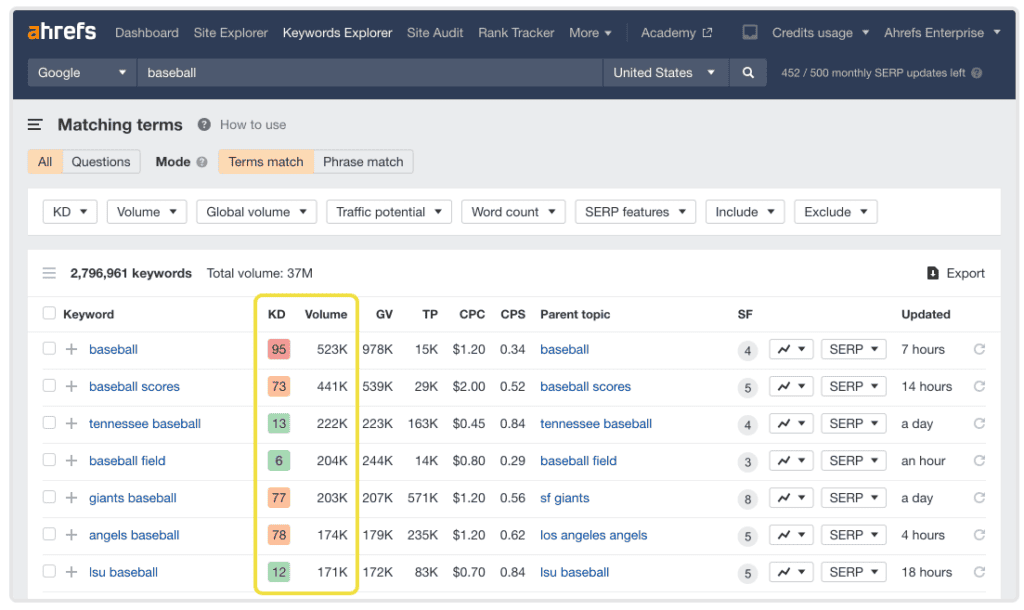
High-value keywords often need more authority and links to reach the first page. That’s why realistic keyword targets can produce earlier wins. For example, a guide about CRM workflows may rank sooner than a page targeting “best CRM software.”
Content type and funnel position
Not every page follows the same timeline. Guides, comparison pages, product pages, and local or service pages all compete in different results. Commercial pages face more competition. They target buyers who are close to a decision.
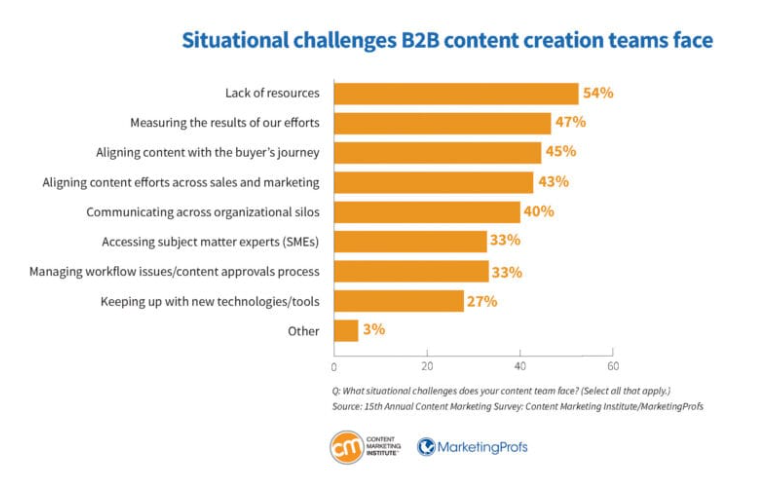
Content Marketing Institute’s 2025 research found that 45% of marketers still struggle to align content with the buyer’s journey. That helps explain why one type of content alone often limits SEO results.
A balanced content strategy creates both short-term and long-term gains. Guides can bring earlier visibility. Commercial pages support future sales. For example, a business may publish a beginner’s guide first. Then it can build comparison and product pages as authority grows.
SEO timelines by scenario
SEO timelines depend on more than your budget or publishing schedule. Your domain’s authority and the type of page both affect how long it takes to reach the first page.
A new site that answers questions won’t follow the same timeline as an established site chasing buyer keywords.
The estimates below show what many businesses can expect under those different scenarios.
| Domain strength | Informational content (expected months to first-page ranking) | Commercial pages (expected months to first-page ranking) |
| New domain | 6–12 months | 9–12+ months |
| Established domain (DR 20–40) | 3–6 months | 6–9 months |
| Established domain (DR 40+) | 2–4 months | 3–6 months |
New domain starting from zero
New websites often need the most time. They must earn trust before search engines see them as reliable. Google must first discover and index the site’s pages. It also needs enough signals to understand the topics the website covers.
Backlinks and published content help build that trust over time. Backlinko’s analysis found that Google’s top result tends to have far more referring domains than the pages ranked below it.
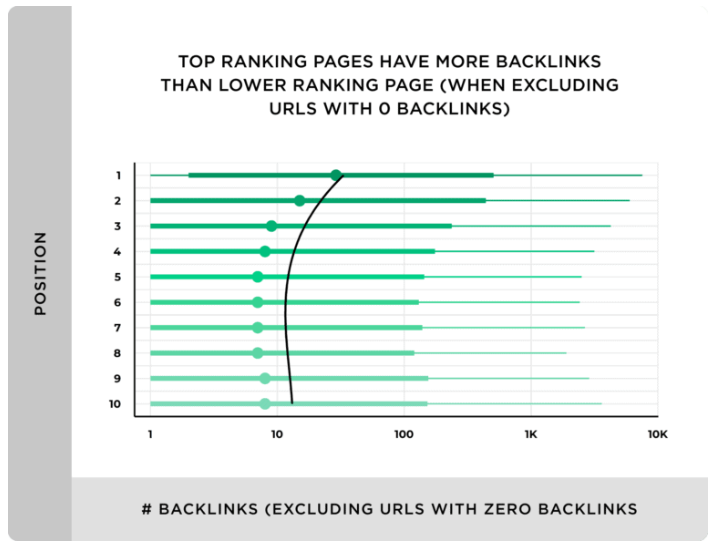
That means meaningful rankings usually don’t appear right away. For example, a new SaaS site may gain impressions for its guides first. Product and comparison keywords come later. Publishing on a regular schedule builds authority and creates more chances to rank.
Established domain with low to mid authority
Websites with moderate authority already have some trust, so they don’t start from zero. Search engines know the domain exists and have indexed its content. They often return to crawl new pages. This gives new content a head start over a brand-new site.
Some guides that target realistic keywords may reach the first page within a few months. Harder searches take longer. Stronger sites compete for those spots. For example, a blog post may gain visibility before a product comparison page aimed at the same audience.
Established domain with strong authority
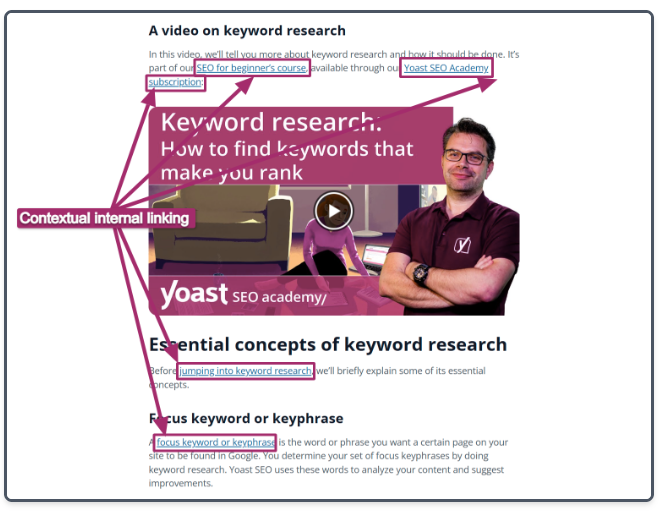
Sites with strong authority often rank new content faster. Search engines already trust the domain. New pages also benefit from internal linking that helps search engines discover and understand them. Frequent crawling can shorten the time between publishing and ranking.
Even so, authority doesn’t guarantee top rankings. Commercial keywords can still be hard to win, especially when several trusted sites target the same search. For example, a strong SaaS company may rank a new guide within weeks. A comparison page may still take months to reach the first page.
How long does SEO take to work? What to expect month by month
SEO progress happens in stages.
Tracking the right milestones each month shows whether your strategy is on track.
Months 1 to 3: foundation and indexing
The first few months focus on preparing your website for future growth. Here’s where you may perform a technical SEO site audit. This helps you review things like hreflang tags and site speed.
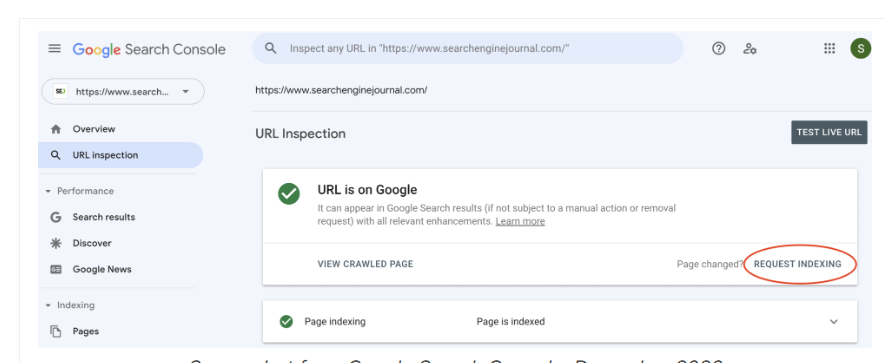
At this stage, you also get to publish new content. Google begins crawling and indexing your pages. Search engines also start learning what topics your website covers and where each page fits.
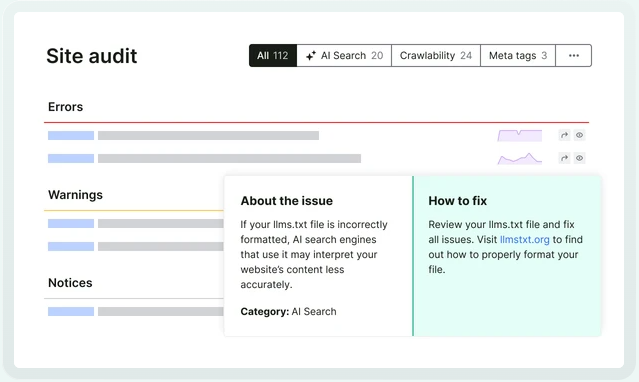
Early impressions and keyword visibility often appear during this stage, even if rankings remain low. Business impact is usually limited, and that’s normal. For example, a new article may get impressions for several search terms. Steady clicks come later, once it earns more visibility.
Months 3 to 6: early ranking signals
Once pages have been indexed for a while, rankings often improve for easier keywords. As they climb, impressions turn into clicks. Some pages move onto the first or second page of results.
Businesses may also see their first organic conversions now, mostly from easier searches. For example, a guide may start bringing in demo requests. Meanwhile, harder product and comparison pages keep building authority.
Months 6 to 12: Compounding momentum
By this point, your earlier work starts supporting new content. More keywords move up. Internal links connect related pages, and topical authority grows across the site. This helps Google see how your content fits together.
Organic traffic also becomes more consistent. Leads, demo requests, and other business metrics get easier to measure. More pages now add to growth. For example, a cluster of CRM articles may bring qualified visitors across several pages. One article no longer carries all the traffic.
Month 12 and beyond: long-term returns
After the first year, older content can keep bringing in traffic. You don’t need to start over. As your site builds authority, new pages often gain visibility faster. Search engines already understand and trust the site.
SEO also gets more efficient over time. Mature programs build on past work instead of starting from zero with each page. For example, a new feature page may rank faster. Related articles, internal links, and existing authority already support it.
Why SEO programs fail before they can work
Many SEO programs don’t fail because of poor execution. They fail because expectations don’t match how SEO works. That’s why tracking the right milestones matters as much as publishing great content.
The expectation gap
Many leadership teams compare SEO to paid advertising. With PPC, campaigns can generate clicks and leads as soon as they launch. SEO follows a different path. Search engines first need time to crawl pages, understand them, and decide where they belong.
That gap can lead to misleading reports. Say traffic is the only measure of success after two or three months. SEO may then look weak even when it’s working. Early reports should also track:
- Indexed pages
- Impressions
- Keyword visibility
- Ranking growth
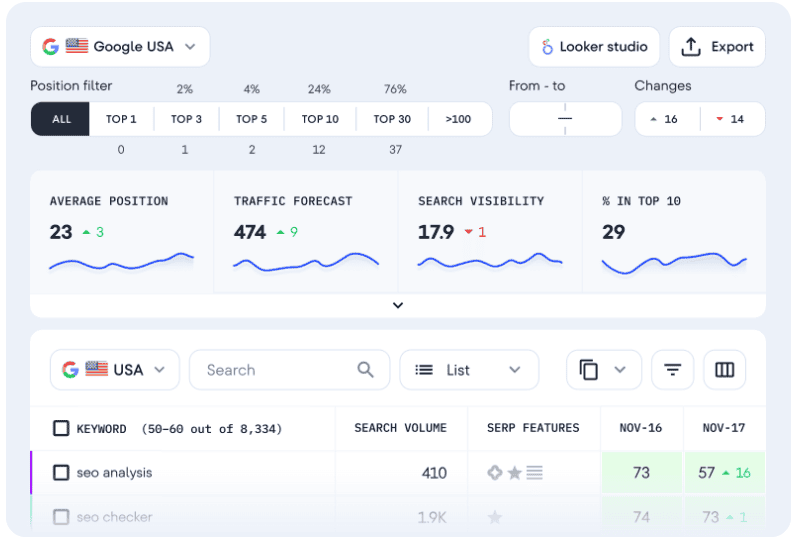
For example, if impressions and rankings increase after three months, your content strategy is progressing even if leads have not yet grown.
Pulling the plug too early
Many companies stop investing just before SEO starts to pay off. By the time authority grows and more pages rank, the budget is gone. The program was judged too soon.
That creates an opportunity cost. When SEO restarts months later, the business often goes back to the early stages. It can’t build on steady progress.
For example, publishing for four months and then stopping slows topical authority and future rankings. Companies that stay consistent give their content time to compound. That patience often gives them an edge over rivals who keep starting and stopping.
Conclusion: Set the right SEO timeline expectations from day one
So, how long does SEO take to work?
You need around 4 to 12 months to start noticing meaningful results. But that timeline depends on your site’s authority, your keywords, and the type of content you publish. So comparing your results to someone else’s rarely gives you the full picture.
Instead, measure progress against the milestones that fit each stage of the journey. When expectations match how search works, teams tend to stay invested. That gives SEO time to compound.
Treat it as a long-term investment, not a short campaign. Then it has the time it needs to deliver lasting growth.
For more practical SEO insights, subscribe to the SEO Power Plays newsletter.
FAQs
How long does SEO take to work?
Most businesses see measurable SEO results within 4 to 12 months. The timeline depends on your site’s authority and the search terms you target. It also depends on whether you post informational or commercial content.
Early signals often appear within the first few months, before traffic and leads grow. These include indexing, impressions, and keyword visibility.
Why is my SEO taking longer than expected?
Longer timelines often come down to:
- Lower domain authority
- Stronger competition
- Content quality
- Technical issues
These can limit performance. Every site starts from a different place. So comparing your progress with another business can set unrealistic expectations.
Can SEO work in three months?
Yes, but it depends on the situation. Established sites that target easier keywords can see rankings and traffic within three months. Lasting growth, qualified leads, and steady business results usually take longer. SEO builds over time.